SKU: IOWC-1361
📋 GST Invoice Available

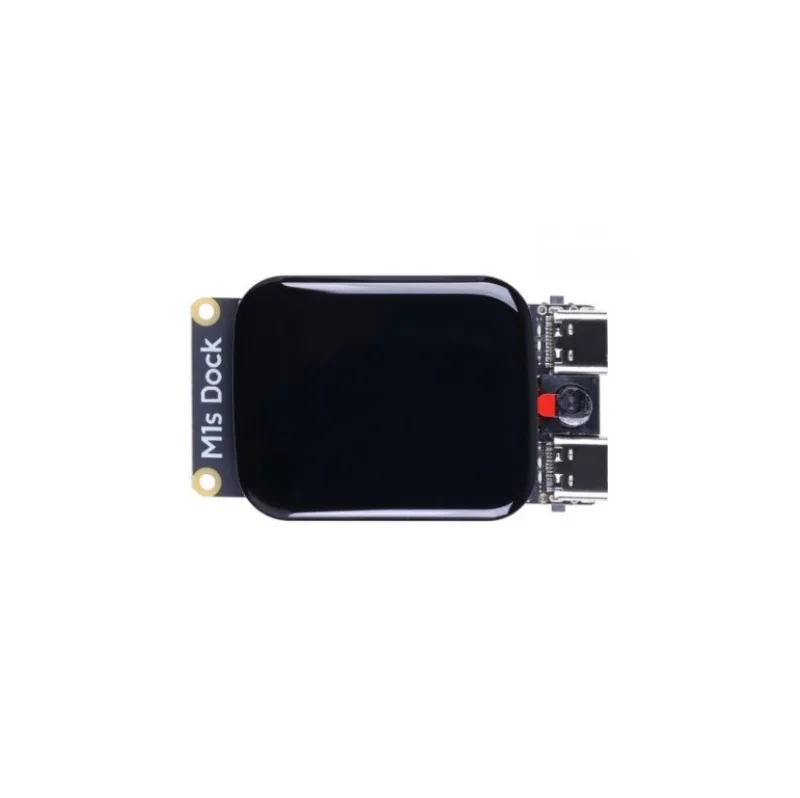
Sipeed M1s Dock AI CTP Development Board w/ BL808 & Touch Screen

₹2,409.00 (Inclusive of all taxes)
Out of Stock

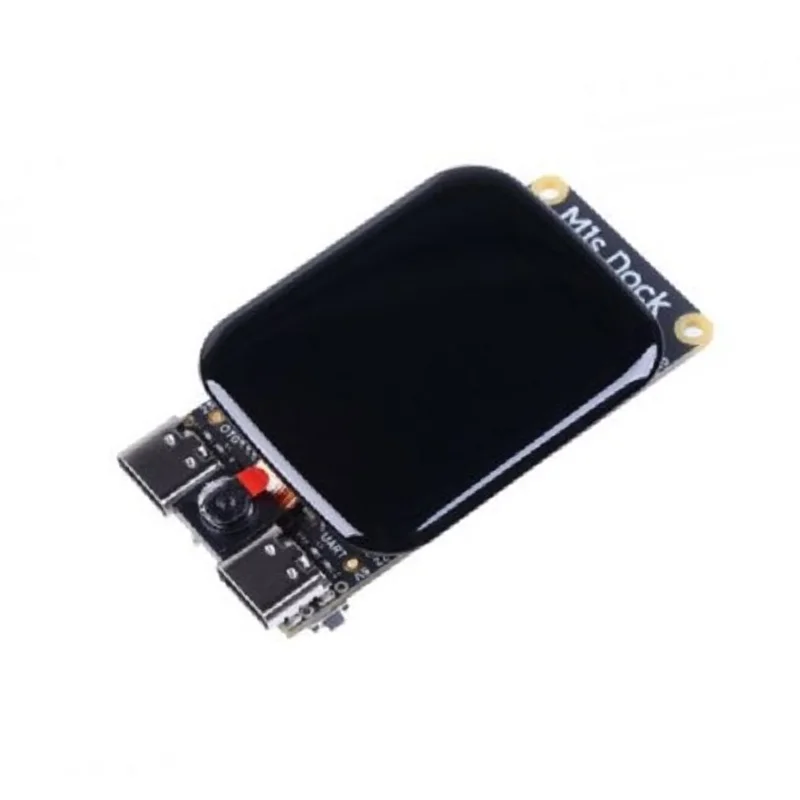
The Sipeed M1s Dock is an AI-capable development board built around the BL808 RISC-V SoC, featuring a tri-core CPU, BLAI-100 NPU, and integrated 2.4GHz Wi-Fi/BT/BLE. It includes a 1.69-inch capacitive touch screen and supports Linux, making it ideal for embedded computer vision and edge AI applications.

Features

  • Tri-Core RISC-V AI SoC: Features the BL808 with RV64GCV (480MHz), RV32GCP (320MHz), and RV32EMC (160MHz) cores plus a dedicated BLAI-100 NPU for accelerated on-device inference.
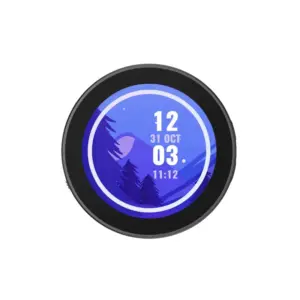
  • Integrated Wireless & Display: Combines 2.4GHz Wi-Fi 802.11 b/g/n and Bluetooth 5.x Dual-Mode (BT+BLE) with a pre-attached 1.69-inch 240×280 capacitive touch SPI LCD for interactive projects.
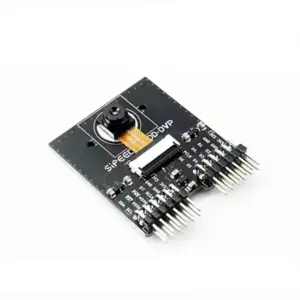
  • Multi-Media Interfaces: Provides both DVP and MIPI-CSI camera interfaces (supports up to 200W pixel camera) and SPI/DBI/DPI display outputs for vision-based AI applications.
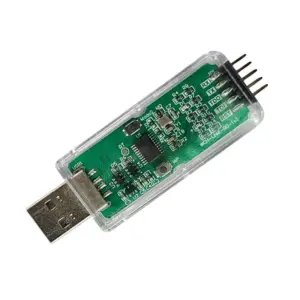
  • Onboard Debugging & Storage: Includes a USB-to-UART debugger for one-click firmware burning via USB Type-C, plus a TF card slot and 64MB UHS PSRAM for data logging.
  • Linux & RTOS Support: The BL808’s MMU enables full Linux deployment alongside real-time OS options, simplifying development for complex AI workloads like face or gesture recognition.

Out of stock

Description

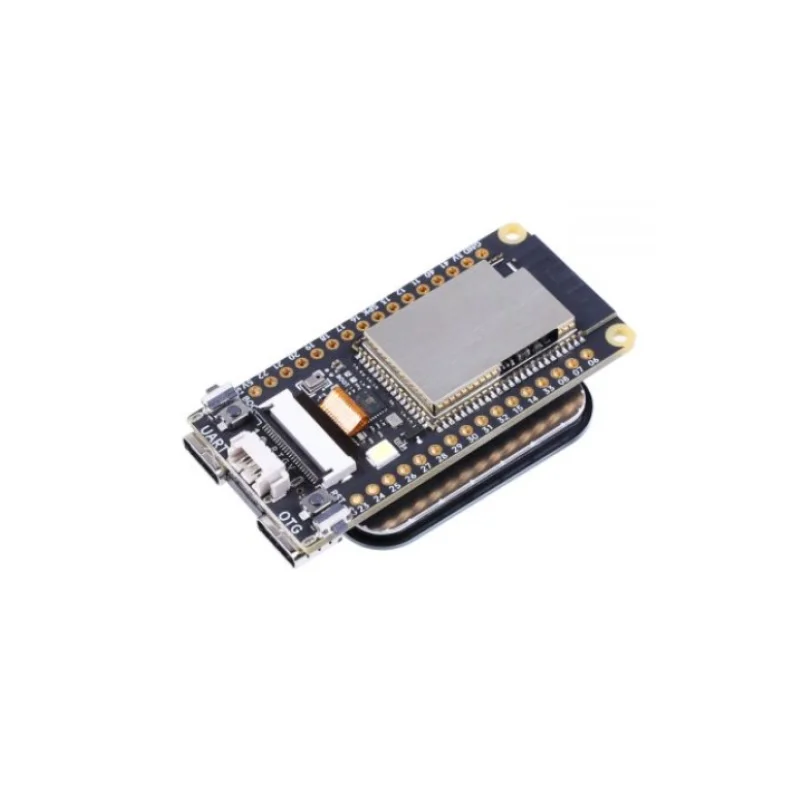
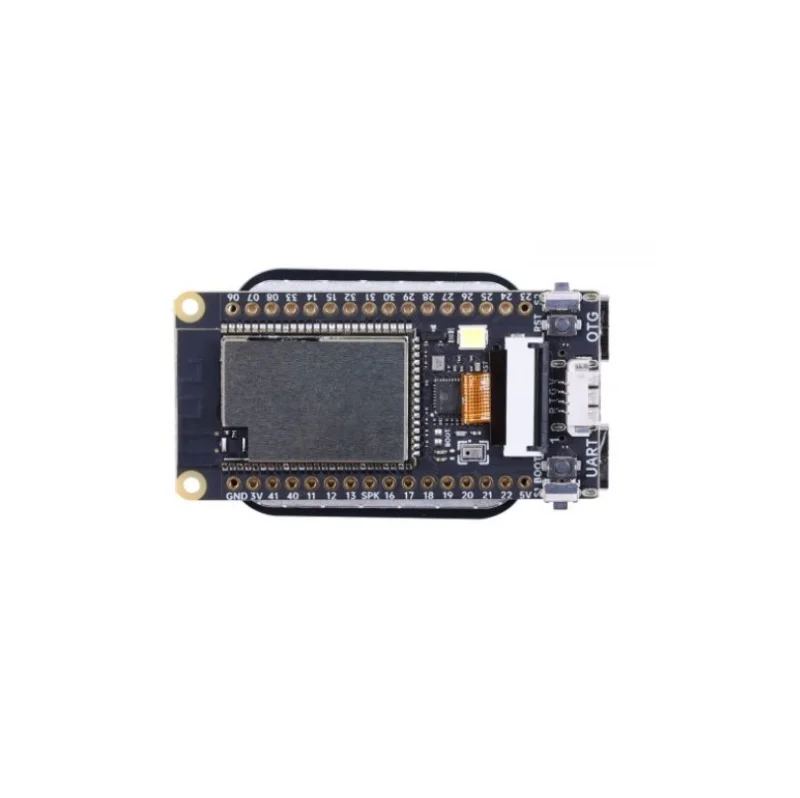
The Sipeed M1s Dock AI CTP Development Board is a comprehensive evaluation and prototyping platform centered on the heterogeneous BL808 RISC-V processor. Its architecture segregates high-performance multimedia tasks (handled by a 64-bit CPU and NPU) from wireless connectivity management (managed by a 32-bit CPU), enabling efficient parallel processing for AI-driven edge devices. The board routes critical interfaces like MIPI-CSI, SPI LCD, and USB-OTG via FPC connectors and a Type-C port, minimizing external cabling.

Power management is handled through the 5V USB Type-C input, supporting the board’s active wireless communication and display backlight. The integrated BLAI-100 NPU accelerates video and audio detection algorithms, while the substantial 64MB PSRAM and 768KB SRAM support frame buffering and model storage. This combination makes the M1s Dock suitable for developers transitioning from microcontroller-based AI to Linux-capable embedded systems requiring robust vision and connectivity.

Key Features

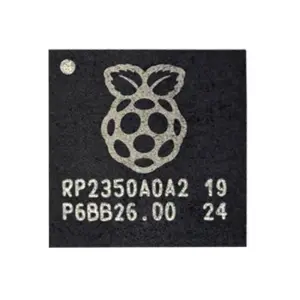
  • BL808 Tri-Core RISC-V SoC: Integrates a high-performance 64-bit CPU (480MHz), a wireless management 32-bit CPU (320MHz), an ultra-low-power MCU core (160MHz), and a BLAI-100 NPU for heterogeneous computing.
  • Integrated Wireless Subsystem: Onboard 2.4GHz Wi-Fi 802.11 b/g/n and Bluetooth 5.x Dual-Mode (Classic & BLE) with co-existence support for simultaneous connectivity.
  • Multi-Format Video Encoding: Hardware-accelerated H.264 (Baseline/Main) and MJPEG encoder supports dual-stream encoding up to 1080p@30fps + VGA@30fps.
  • Comprehensive Sensor Interfaces: Dual camera interfaces (DVP & MIPI-CSI), multiple display interfaces (SPI, DBI, DPI/RGB), analog microphone input, and a TF card slot for expandable storage.
  • Onboard Development Tools: Includes a USB-to-UART debugger chip enabling one-click firmware flashing via USB Type-C without physical button presses.
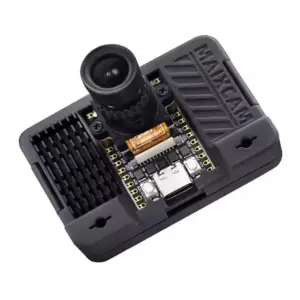
  • Rich Onboard Peripherals: Comes pre-assembled with a 1.69-inch 240x280 capacitive touch screen, a 2-megapixel camera, an LED indicator, and pre-soldered headers.
  • Linux-Compatible Architecture: The BL808's Memory Management Unit (MMU) supports full Linux distributions, avoiding the limitations of uClinux for complex AI applications.

Applications

  • Embedded AI Vision: Deploy for on-edge face recognition, posture detection, and gesture control systems using the NPU and camera input.
  • Smart Video Surveillance: Build low-power, wireless IP cameras with local H.264 encoding and Wi-Fi streaming capabilities.
  • Interactive IoT Displays: Develop touch-screen smart home controllers, industrial HMIs, or retail kiosks with wireless connectivity.
  • Voice & Audio AI: Utilize the analog microphone and NPU for keyword spotting, audio event detection, and smart speaker prototypes.
  • Wireless Sensor Fusion Hubs: Act as a gateway aggregating data from BLE sensors, processing it locally with AI, and transmitting via Wi-Fi.

Technical Specifications

Microcontroller/SoCBL808 RISC-V Tri-Core (RV64GCV 480MHz, RV32GCP 320MHz, RV32EMC 160MHz) + BLAI-100 NPU
Wireless ProtocolsWi-Fi 802.11 b/g/n (2.4GHz), Bluetooth 5.x Dual-Mode (BT+BLE)
Memory768KB SRAM + 64MB UHS PSRAM
Video EncoderH.264 Baseline/Main, MJPEG; 1920x1080@30fps + 640x480@30fps
Camera InterfaceDVP and MIPI-CSI
Display InterfaceSPI, DBI, DPI (RGB)
USB InterfaceUSB 2.0 HS OTG via Type-C
Supply Voltage5V ±10% via USB Type-C
Operating CurrentTypical 0.5A (via Type-C)
Operating Temperature-10°C to 65°C
Onboard ComponentsUSB-UART Debugger, 1.69" 240x280 CTP Screen, 2MP Camera, Analog Mic, LED, TF Slot
DimensionsApprox. 8cm x 6cm x 3cm (Board with screen)

Frequently Asked Questions

What operating systems are supported by the Sipeed M1s Dock's BL808 chip?

The BL808 SoC supports full Linux distributions due to its integrated Memory Management Unit (MMU), alongside real-time operating systems (RTOS) like FreeRTOS. This allows developers to choose between a rich Linux environment for complex AI applications or a lightweight RTOS for deterministic low-latency tasks. You can typically find pre-built Linux images and SDKs from Sipeed's official GitHub repositories for quick project start-up.

How do I flash firmware to the M1s Dock using the onboard debugger?

Connect the provided USB Type-C cable to your computer. The integrated USB-to-UART debugger enables one-click burning without physical buttons. Use Sipeed's recommended flashing tool (like bouffalo_lab_dev_tool) and select the correct serial port. The process involves compiling your code in the BL808 SDK, generating a firmware binary, and using the tool's flash mode to upload it via the USB connection, streamlining the development workflow significantly.

What camera modules are compatible with the M1s Dock's interfaces?

The board supports both DVP (Digital Video Port) and MIPI-CSI (Camera Serial Interface) cameras. You can use the included 2-megapixel camera or other compatible modules like OV2640 (DVP) or higher-resolution MIPI sensors. Ensure the camera's voltage and clock requirements match the board's I/O levels. The SDK provides drivers and examples for initializing the camera pipeline and capturing frames for processing by the NPU or CPU.

What is the power supply requirement for stable operation?

The M1s Dock is powered via its USB Type-C port, requiring a stable 5V ±10% supply capable of delivering at least 0.5A. For peak loads with Wi-Fi active, screen on, and NPU inference, a 5V/1A supply is recommended. Avoid using long or thin USB cables that cause voltage drop. The board does not have a built-in battery charger, but you can design an external LiPo circuit using the exposed GPIO pins for mobile applications.

Package Includes

  • 1 x Sipeed M1s Dock Development Board (with pre-attached touch screen)
  • 1 x USB Type-C Cable
  • 1 x Set of Pin Headers

Additional Information

Weight 0.057 kg
Dimensions 6 × 8 × 3 cm