SKU: IOWC-1358
📋 GST Invoice Available

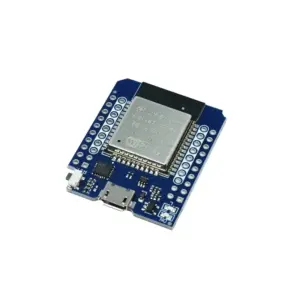
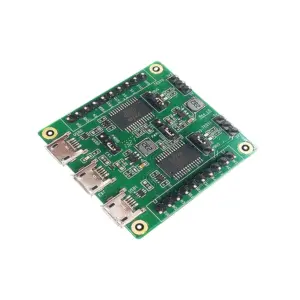
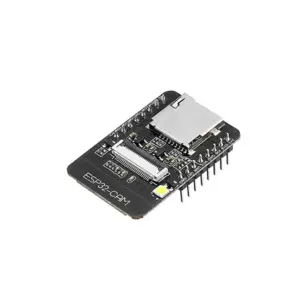
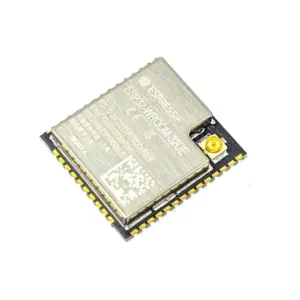
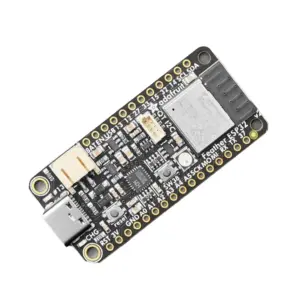
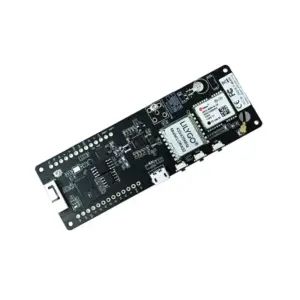
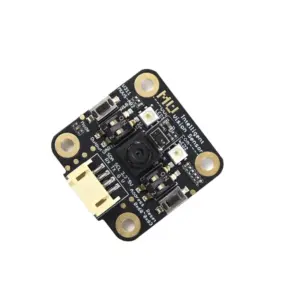
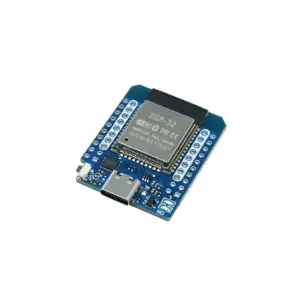
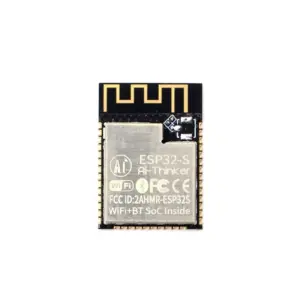
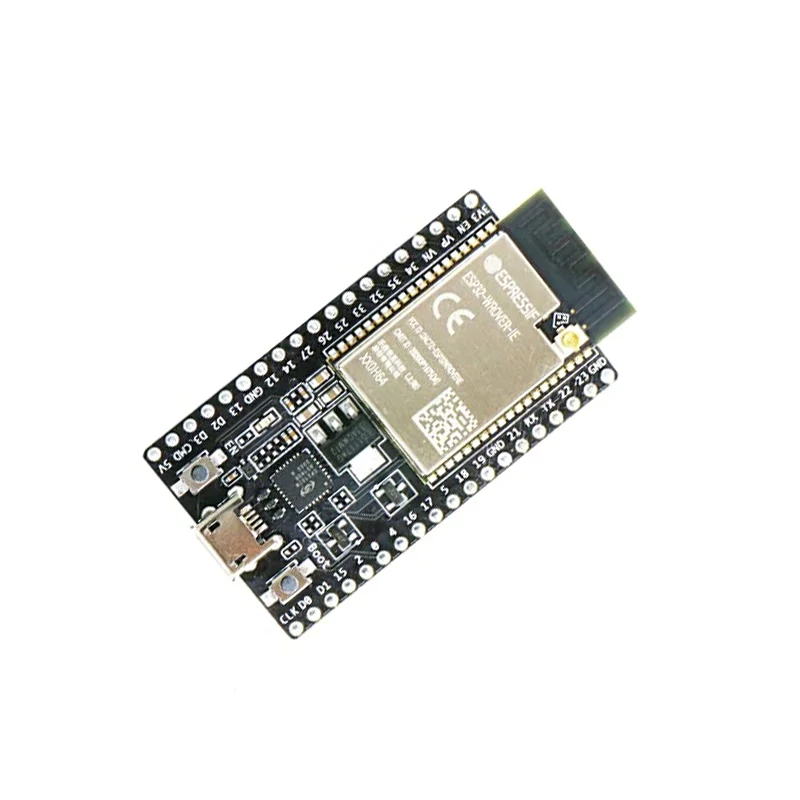
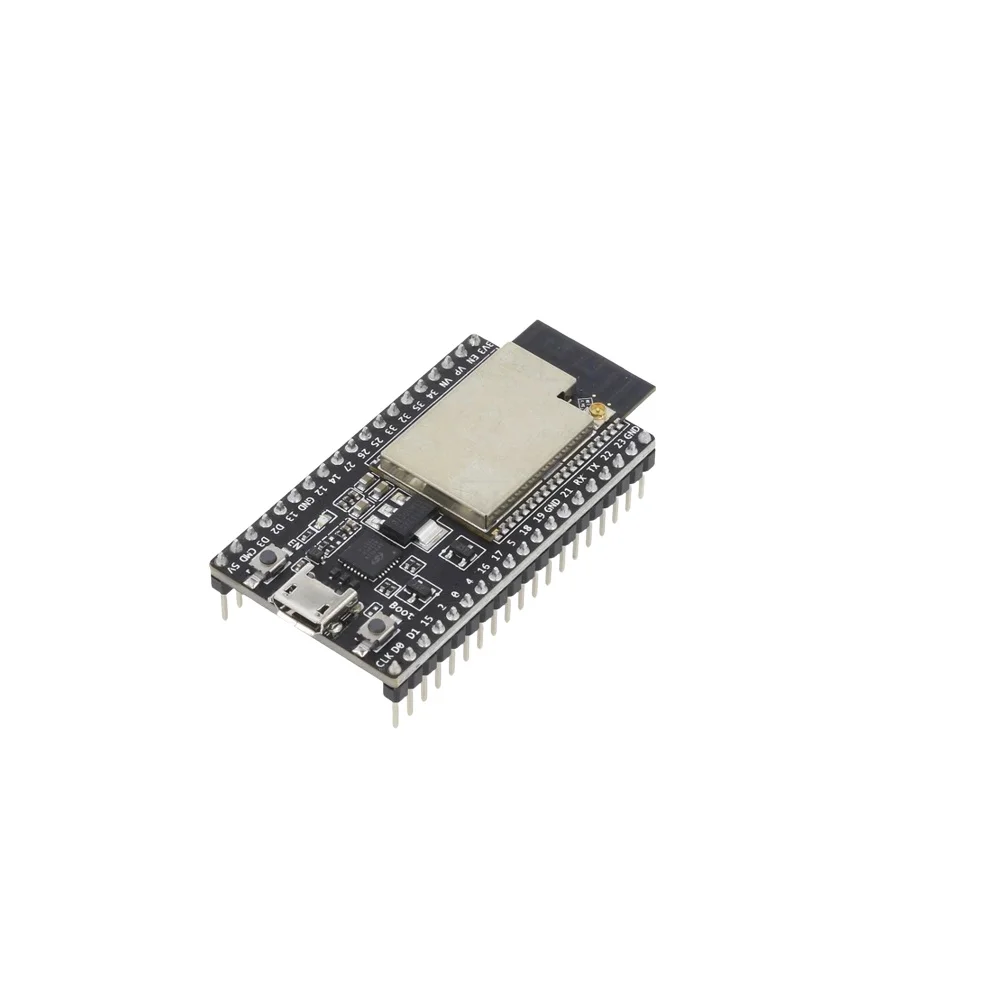
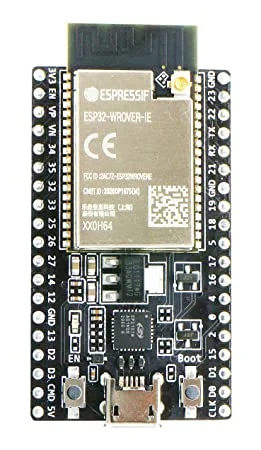
Espressif ESP32-WROVER-IE ESP32-DEVKITC Development Board

₹2,259.00 (Inclusive of all taxes)
Out of Stock

The Espressif ESP32-DEVKITC V4 is a feature-rich development board built around the ESP32-WROVER-IE module, integrating dual-core processing, Wi-Fi, Bluetooth/BLE, 8MB flash, and 2MB PSRAM for demanding IoT applications. It is fully compatible with the Arduino IDE, ESP-IDF, and MicroPython for rapid prototyping.

Features

  • Powered by the ESP32-WROVER-IE module with dual-core Xtensa LX6 processor, 8MB SPI flash, and 2MB PSRAM for complex applications.
  • Integrated 2.4GHz Wi-Fi 802.11b/g/n and dual-mode Bluetooth 4.2 (Classic & BLE) for versatile wireless connectivity.
  • Comprehensive I/O breakout with all available GPIOs accessible via side pin headers for sensor and peripheral interfacing.
  • Onboard USB-to-UART bridge, reset/boot buttons, RGB LED (WS2812), and micro-USB port for easy programming and power.
  • Supports multiple development frameworks including Arduino Core, ESP-IDF, and MicroPython for flexible firmware development.

Out of stock

Description

The ESP32-DEVKITC V4 is Espressif’s official development platform for the ESP32-WROVER-IE, a high-performance Wi-Fi/Bluetooth MCU module. The board provides direct access to the ESP32’s rich peripheral set, including SPI, I2C, I2S, UART, ADC, DAC, touch sensors, and PWM channels through its broken-out pin headers. This makes it ideal for prototyping everything from simple sensor nodes to advanced edge computing tasks like audio processing and motor control.

Engineered for robust operation, the module includes an onboard PCB antenna with an optional IPEX/u.FL connector for an external antenna to extend wireless range. The integrated 2MB PSRAM significantly enhances performance for memory-intensive applications such as buffering audio streams, handling graphics, or managing complex network protocols. Power is supplied via the micro-USB port, with a wide operating voltage range supported by the onboard LDO regulator.

Key Features

  • High-performance dual-core ESP32 microcontroller with clock speeds up to 240MHz.
  • Ample memory with 8MB of external SPI flash and an additional 2MB of PSRAM for data-intensive tasks.
  • Complete wireless suite featuring 2.4GHz Wi-Fi (802.11 b/g/n) and Bluetooth 4.2 BR/EDR & BLE.
  • Full GPIO breakout for easy connection to sensors, displays, actuators, and serial devices.
  • Integrated USB-to-UART bridge (up to 3 Mbps) for seamless programming and serial communication.
  • Convenient user interface with reset button, boot button for firmware download mode, and an addressable RGB LED.
  • Robust power design with micro-USB input and stable 3.3V output for external components.
  • Extended operating temperature range (-40°C to 85°C) suitable for industrial environments.

Applications

  • Smart home automation hubs and wireless sensor nodes.
  • Industrial IoT (IIoT) telemetry and equipment monitoring.
  • Prototyping for wearable devices and Bluetooth mesh networks.
  • Voice assistant devices and audio streaming applications.
  • Educational platforms for embedded systems and wireless communication.

Technical Specifications

Microcontroller / SoCESP32 Dual-Core Xtensa LX6
Wireless ProtocolsWi-Fi 802.11 b/g/n, Bluetooth 4.2 BR/EDR & BLE
Frequency Range2.4GHz
Flash Memory8 MB
PSRAM2 MB
Supply Voltage5V via Micro-USB, 3.3V operating
InterfacesGPIO, SPI, I2C, I2S, UART, ADC, DAC, Touch Sensor, PWM
Antenna ConnectorOnboard PCB antenna, IPEX/u.FL connector for external
Operating Temperature-40°C to 85°C
DimensionsApprox. 10cm x 3cm (board)

Frequently Asked Questions

How do I program this ESP32-DEVKITC board using the Arduino IDE?

First, install the ESP32 board support via the Arduino Boards Manager using the Espressif repository URL. Connect the board via micro-USB, select 'ESP32 Dev Module' as your board, choose the correct COM port, and set the Flash Mode to 'QIO' and Flash Size to '8MB (64Mb)'. You can then upload sketches that utilize the GPIO, Wi-Fi, or Bluetooth libraries directly.

What is the purpose of the Boot and Reset buttons on the board?

The Reset button restarts the ESP32 microcontroller. To enter Firmware Download mode for flashing new firmware, hold down the Boot button, then press and release the Reset button while keeping Boot held. Release the Boot button after a moment; the board is now ready to accept a new program via the serial port from your IDE.

Can I use an external antenna with this ESP32-WROVER-IE module?

Yes, the module features an onboard PCB antenna but also includes an IPEX (u.FL) connector for an external antenna. To use it, you must carefully solder a u.FL connector cable and configure the ESP32's firmware to use the external RF path, typically via an AT command or a GPIO pin setting in your code, to improve range.

What is the advantage of the 2MB PSRAM on the WROVER-IE module?

The 2MB PSRAM (Pseudo Static RAM) provides additional volatile memory external to the ESP32's internal SRAM. It is essential for applications requiring large buffers, such as audio processing, camera image data, complex web server tasks, or graphical displays, preventing memory overflow and improving system stability.

Package Includes

  • 1 x ESP32-WROVER-IE ESP32-DEVKITC Development Board

Additional Information

Weight 0.01169 kg
Dimensions 3 × 10 × 2 cm