SKU: IOWC-1345
📋 GST Invoice Available

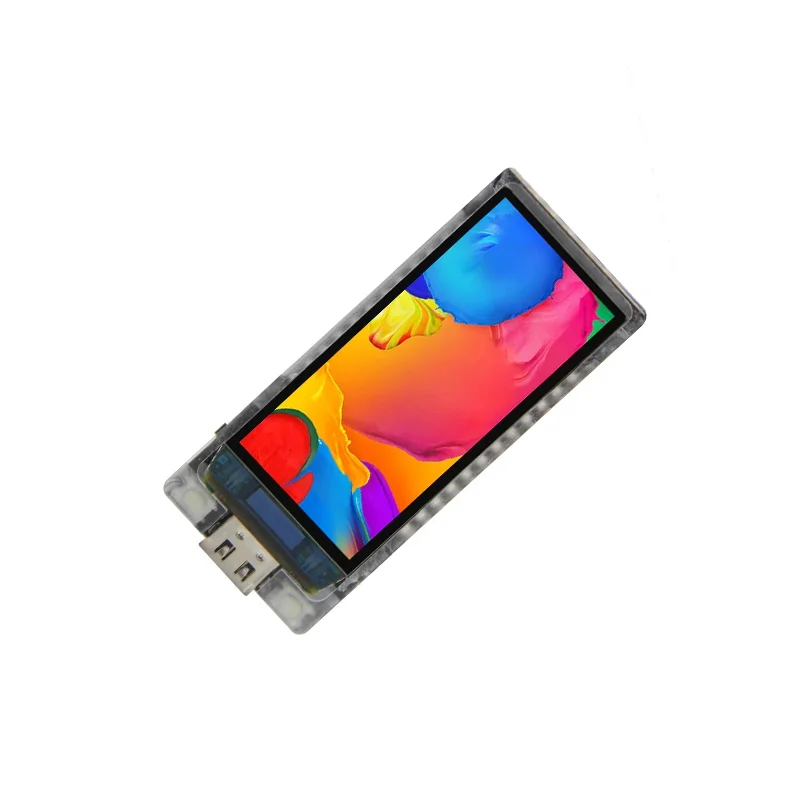
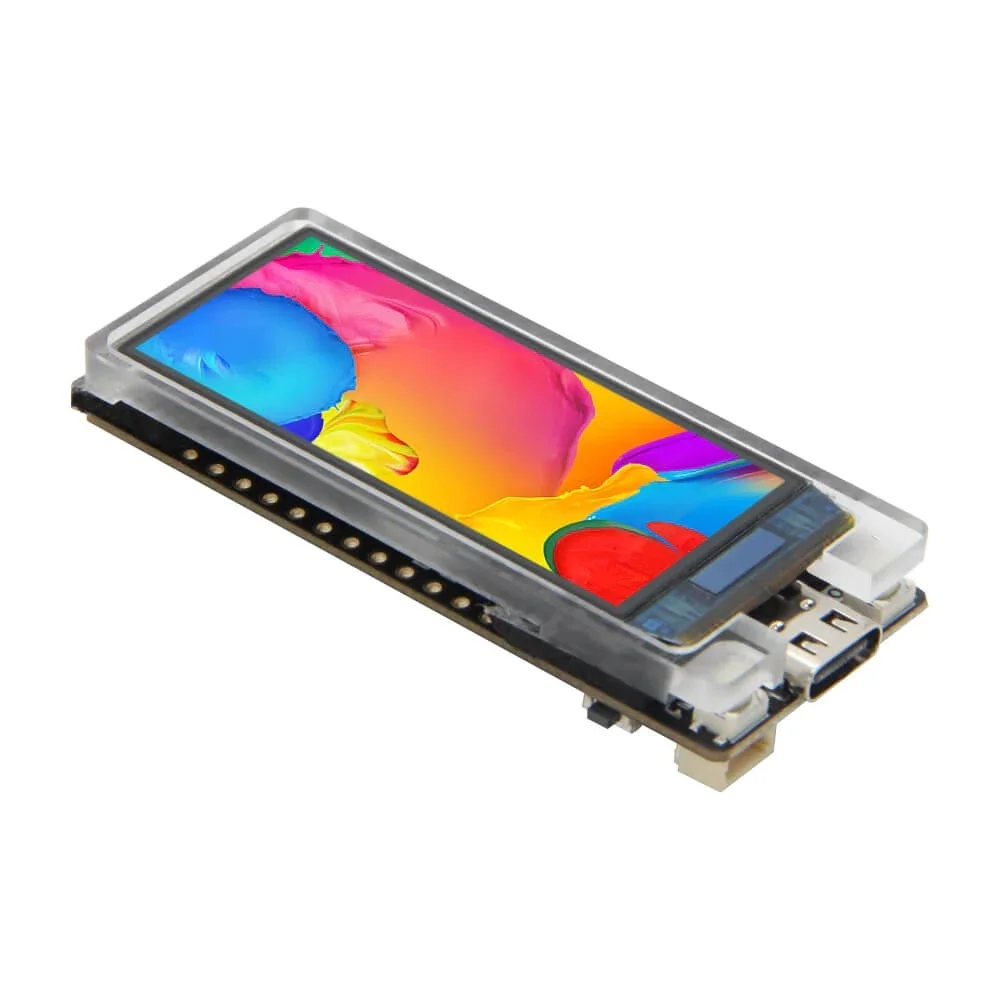
LilyGO T-Display-S3 AMOLED ESP32-S3R8 Dev Board

₹4,199.00 (Inclusive of all taxes)
Out of Stock

The LilyGO T-Display-S3 is a compact AIoT development board featuring an ESP32-S3R8 dual-core processor, 2.4 GHz Wi-Fi & Bluetooth 5.0 LE, and a vibrant 240×536 AMOLED display, programmable via Arduino IDE, PlatformIO, or MicroPython.

Features

  • Powered by ESP32-S3R8 dual-core LX7 microprocessor with 6MB flash and 8MB PSRAM for demanding IoT applications.
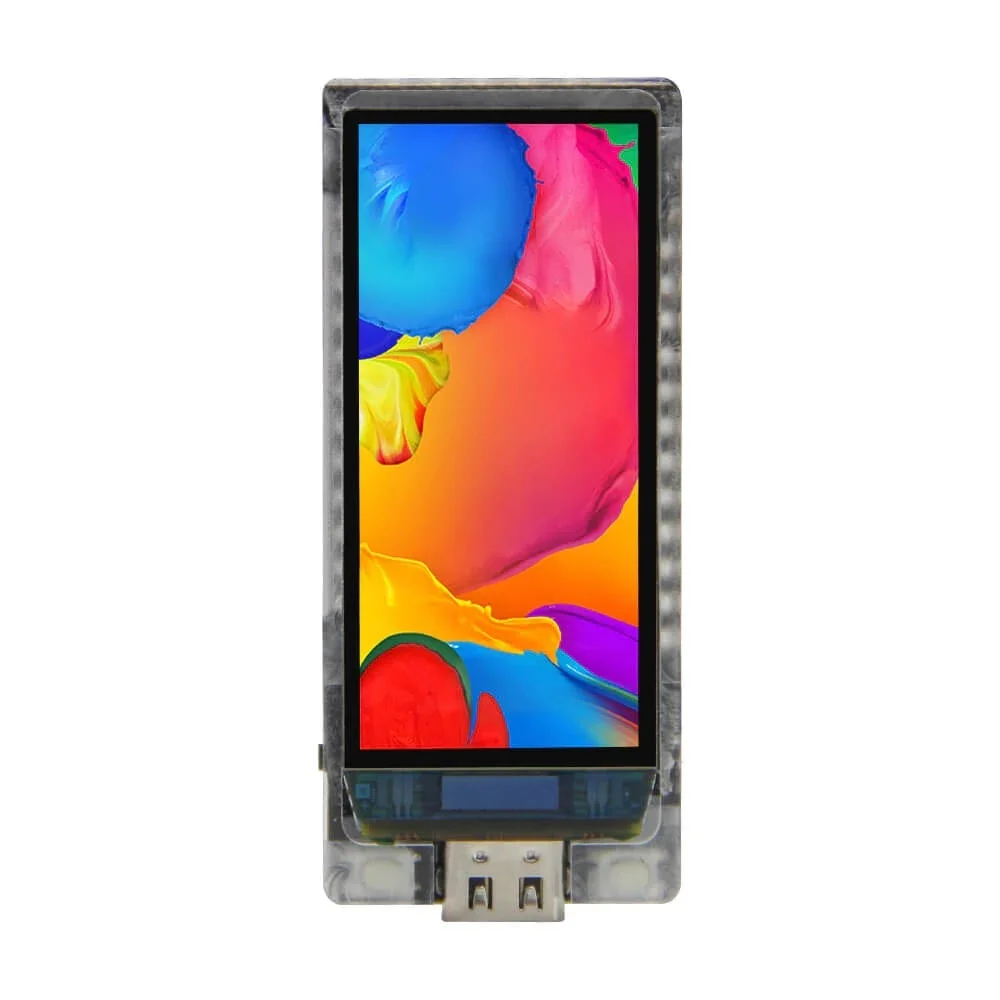
  • Features a high-contrast 1.9-inch AMOLED display (240×536) with RM67162 driver for rich visuals in wearables and UIs.
  • Integrated 2.4 GHz Wi-Fi and Bluetooth 5.0 (LE) for wireless connectivity in smart home and remote monitoring projects.
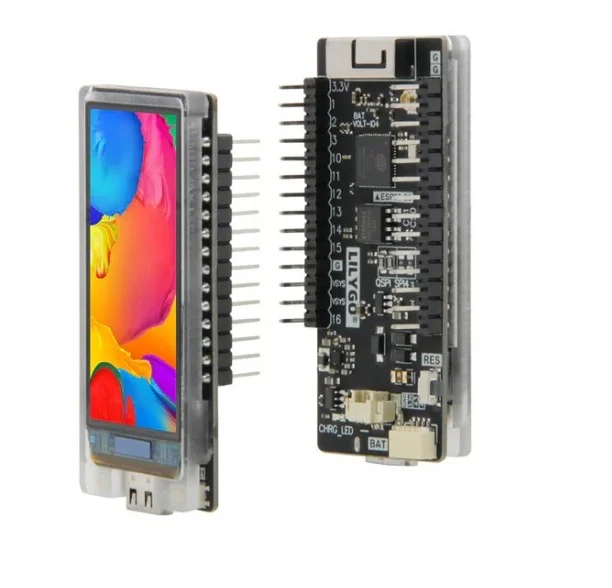
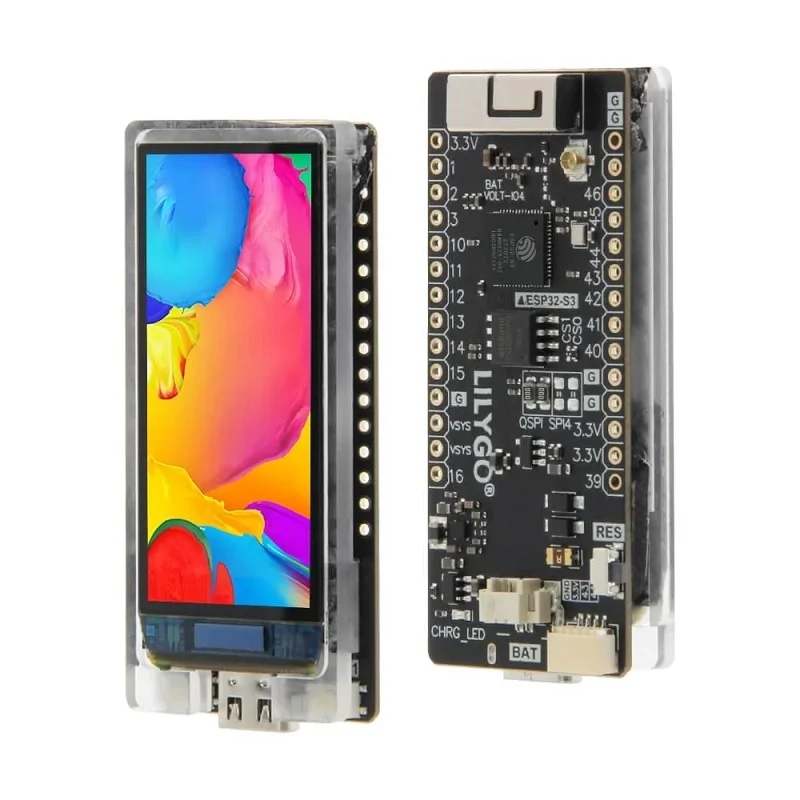
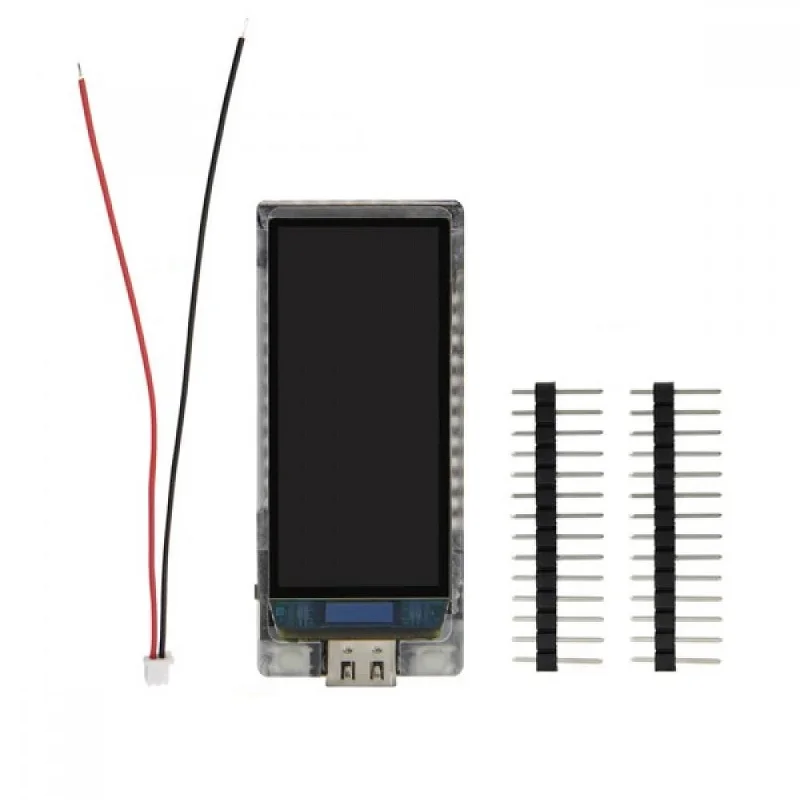
  • Non-solder version provides flexible integration with included 14-pin headers for custom prototyping and expansion.
  • Fully supported by Arduino IDE, PlatformIO, and MicroPython frameworks for rapid firmware development.

Out of stock

Description

The LilyGO T-Display-S3 AMOLED development board merges a high-performance ESP32-S3 wireless SoC with a crisp AMOLED screen in a compact form factor. Its ESP32-S3R8 chip delivers dual-core processing power alongside 6MB of flash and 8MB of PSRAM, enabling complex graphical interfaces and data-intensive IoT tasks. The integrated 2.4 GHz Wi-Fi and Bluetooth 5.0 Low Energy stack provide robust wireless connectivity for device networking and sensor data transmission.

Designed for embedded systems engineers and makers, the board’s non-solder variant includes pre-attached pin headers for immediate integration into prototypes. The QSPI interface to the RM67162-driven AMOLED ensures fast screen updates with deep blacks and wide viewing angles. Onboard boot and reset buttons streamline the development and flashing process, making it an ideal platform for creating portable diagnostic tools, wearable health monitors, and interactive smart home controllers.

Key Features

  • ESP32-S3R8 dual-core LX7 processor with 240 MHz clock speed for efficient IoT edge computing.
  • High-resolution 1.9-inch AMOLED display (240x536 pixels) with IPS full viewing angle for superior outdoor readability.
  • Integrated 2.4 GHz Wi-Fi 4 and Bluetooth 5.0 LE with support for Bluetooth Mesh networking protocols.
  • Ample 6MB flash memory and 8MB PSRAM for storing graphics assets and application data.
  • Pre-configured non-solder version with 14-pin headers for plug-and-play GPIO access and peripheral expansion.
  • Dedicated QSPI display interface for high-speed graphics rendering and smooth animations.
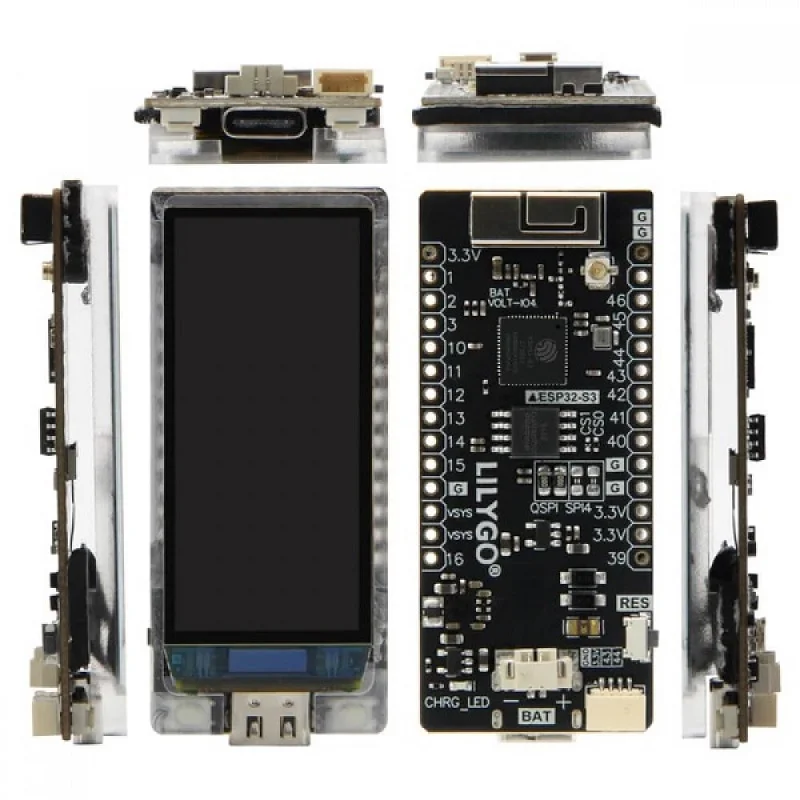
  • Onboard tactile buttons (Boot/IO0, Reset, IO21) for user input and system control without external wiring.
  • Compact PCB layout (approx. 8x5 cm) optimized for portable and space-constrained embedded designs.

Applications

  • Wearable electronic devices and smartwatch prototypes with graphical user interfaces.
  • Portable IoT sensor nodes with real-time data visualization on-device.
  • Smart home control panels and interactive dashboards for home automation systems.
  • Embedded diagnostic tools and handheld test equipment with wireless data logging.
  • Educational platforms for teaching embedded systems, wireless networking, and GUI design.

Technical Specifications

Microcontroller/SoCESP32-S3R8 (Dual-core LX7, 240 MHz)
Wireless Protocols2.4 GHz Wi-Fi 4 (802.11 b/g/n), Bluetooth 5.0 LE
Display1.9-inch AMOLED, 240 (RGB) x 536 pixels
Display Driver ICRM67162 (QSPI Interface)
Flash Memory6 MB
PSRAM8 MB
Development FrameworksArduino IDE, PlatformIO, ESP-IDF, MicroPython
User InterfaceBoot Button (IO0), Reset Button, User Button (IO21)
Active Display Area19.8 mm x 44.22 mm
Dimensions (Shipping)8 cm x 5 cm x 3 cm
Weight (Board)14 g

Frequently Asked Questions

How do I program the LilyGO T-Display-S3 board using the Arduino IDE?

First, install the ESP32 board support via the Arduino Boards Manager using the Espressif Systems URL. Select 'ESP32S3 Dev Module' as your target. For the display, you must install the TFT_eSPI library and configure the User_Setup.h file to select the RM67162 driver and define the correct pins (TFT_CS, TFT_DC, TFT_RST) according to the board's schematic. Connect via USB-C, choose the correct COM port, and upload your sketch. The onboard buttons are mapped to GPIO0 (Boot) and GPIO21 for user input.

What is the power supply requirement and typical operating current for this board?

The board is powered via its USB-C port at a standard 5V DC. The operating current varies significantly based on the display brightness and wireless radio activity. With the display at medium brightness and Wi-Fi active, expect a current draw between 120mA to 250mA. For battery-powered projects, utilize the ESP32-S3's deep sleep modes, which can reduce consumption to microamps, and control the display's power via its enable pin to maximize operational lifespan.

Can I use the GPIO pins broken out on the 14-pin headers for connecting sensors?

Yes, the provided 14-pin headers give you access to multiple GPIOs from the ESP32-S3, including SPI, I2C, and ADC channels. Be mindful of pin multiplexing, as some pins are used for the display's QSPI interface (e.g., GPIOs 9-12). Refer to the board's pinout diagram to identify free GPIOs. For I2C sensors, you can use the dedicated SDA/SCL pins. Always ensure external peripherals operate at 3.3V logic levels to avoid damaging the ESP32-S3's I/O lines.

Package Includes

  • 1 x LilyGO T-Display-S3 AMOLED Board (Non-solder version)
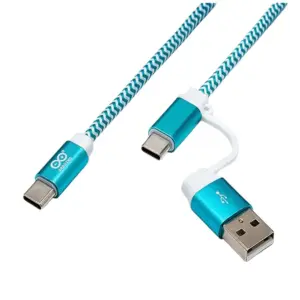
  • 1 x USB Power Cable
  • 2 x 14-pin Header Strips

Additional Information

Weight 0.027 kg
Dimensions 5 × 8 × 3 cm