SKU: IOWC-1262
📋 GST Invoice Available

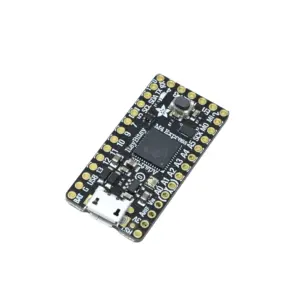
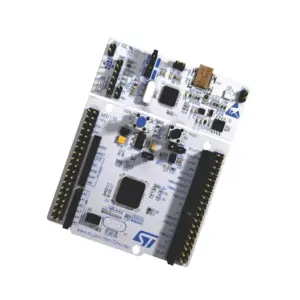
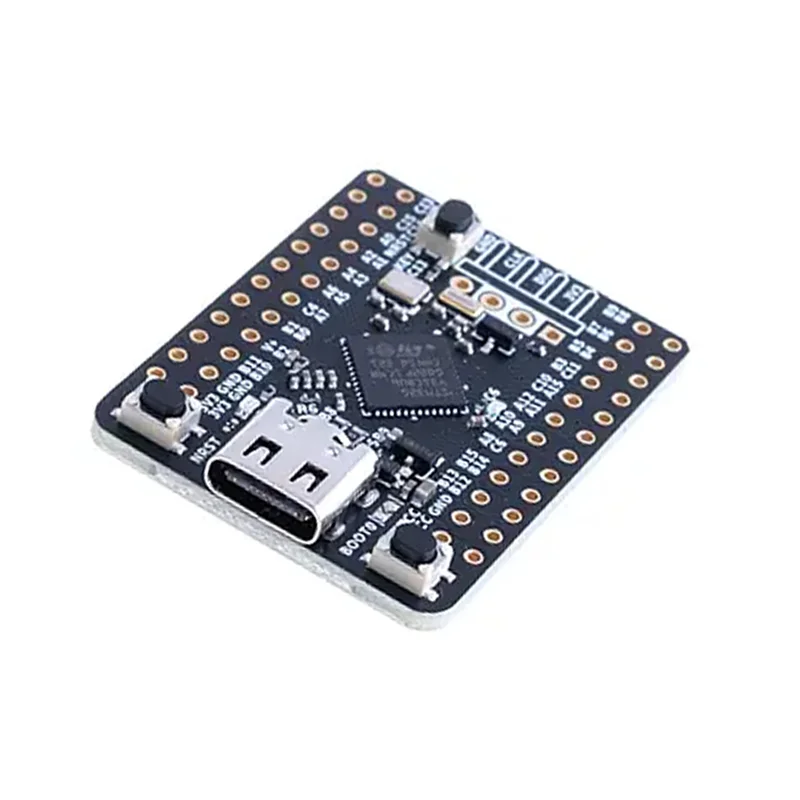
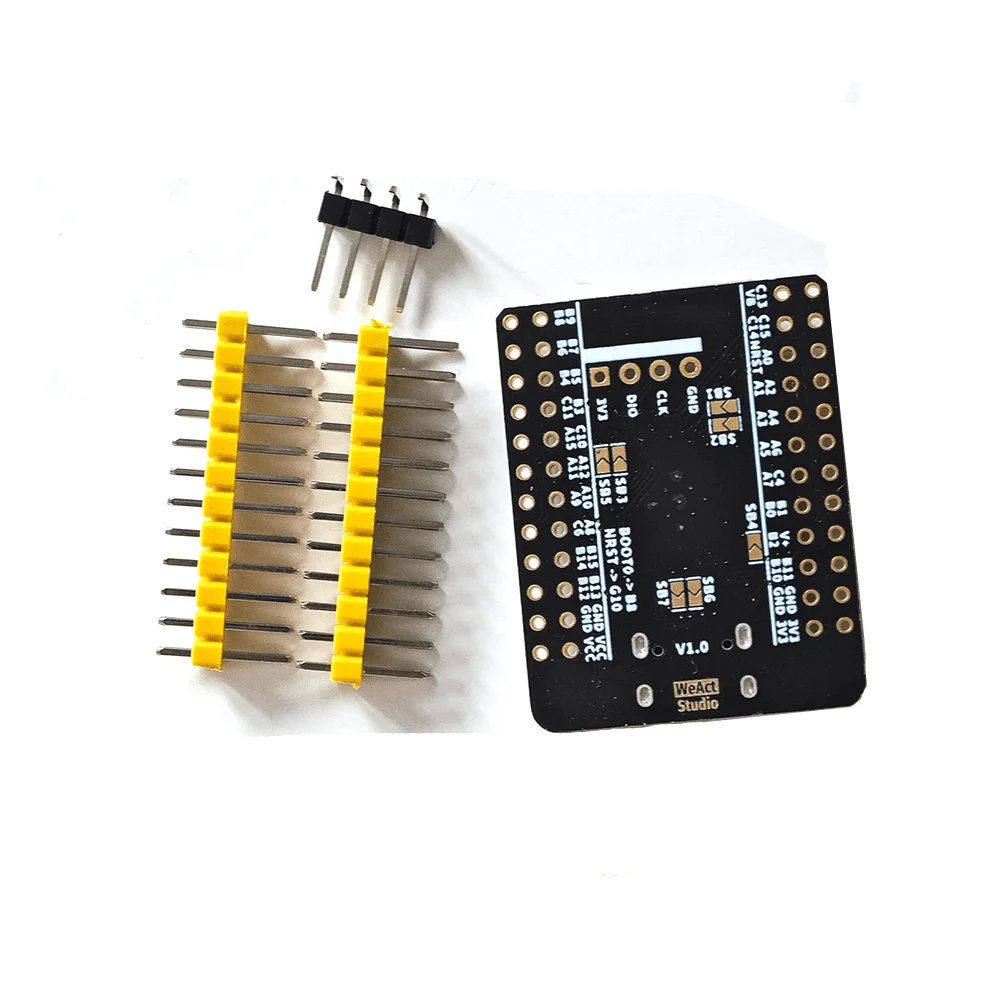
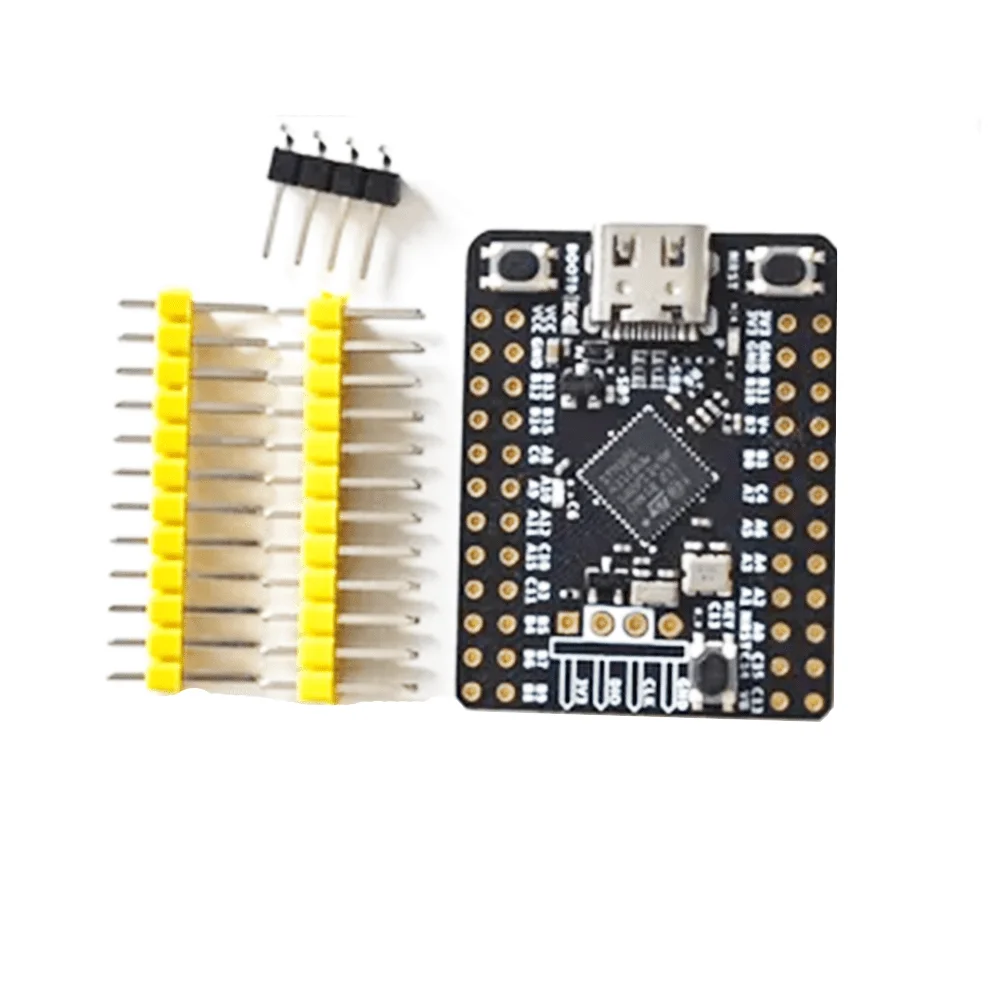
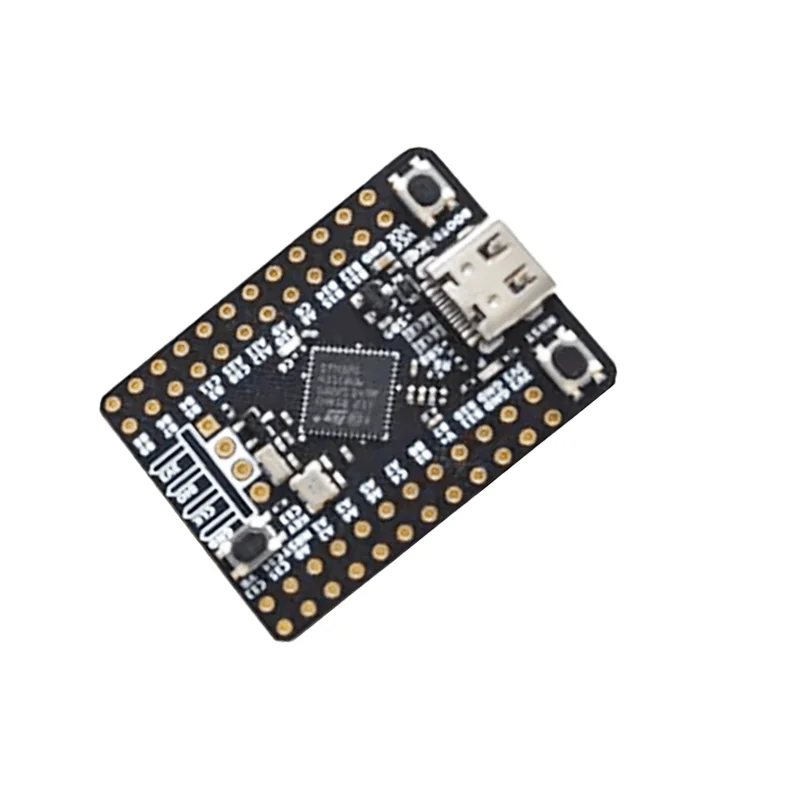
WeAct Studio STM32G431CBU6 Core Demo Board

₹729.00 (Inclusive of all taxes)
Out of Stock

The WeAct Studio STM32G431CBU6 Core Demo Board is a development platform for the high-performance STM32G431 microcontroller, featuring an Arm Cortex-M4 core at 170 MHz with FPU, USB Type-C, and extensive analog and communication peripherals for embedded systems development.

Features

  • High-performance Arm Cortex-M4 CPU running at up to 170 MHz with integrated FPU and DSP instructions.
  • Comprehensive memory options with up to 128 Kbytes of Flash (ECC) and 32 Kbytes of SRAM.
  • Rich peripheral set includes multiple ADCs, DACs, comparators, op-amps, and motor control timers.
  • Versatile communication interfaces: USB 2.0, FDCAN, multiple USARTs, SPI, I2C, and SAI for audio.
  • Wide 1.71V to 3.6V operating range with multiple low-power modes for energy-efficient designs.

Out of stock

Description

This demo board provides a robust hardware foundation for evaluating and prototyping with the STMicroelectronics STM32G431CBU6 microcontroller. It exposes the chip’s full capabilities, including its high-speed 12-bit ADCs and DACs for precision analog work, alongside digital interfaces like FDCAN for automotive networks and USB for PC connectivity.

Engineered for flexibility, the board supports a wide input voltage range and features independent analog power domains to maintain signal integrity. Its low-power architecture, with sleep, stop, standby, and shutdown modes, makes it suitable for battery-powered IoT nodes, industrial sensor interfaces, and motor control applications where performance and efficiency are critical.

Key Features

  • Arm Cortex-M4 core with single-precision FPU enables complex mathematical and DSP operations.
  • Advanced memory protection with MPU and PCROP enhances firmware security for commercial products.
  • Integrated analog front-end includes operational amplifiers, comparators, and high-speed 4 Msps ADCs.
  • Comprehensive timer suite supports advanced PWM generation, input capture, and motor control algorithms.
  • Diverse connectivity via USB Type-C, FDCAN, multiple USARTs, SPI, I2C, and a Serial Audio Interface (SAI).
  • Flexible power management architecture with dedicated supply for analog components to reduce noise.
  • Hardware parity check on SRAM and ECC on Flash memory improve system reliability in critical applications.

Applications

  • Prototyping high-performance embedded control systems and IoT gateways.
  • Industrial sensor interfaces, data acquisition, and motor control units.
  • Audio processing and digital signal processing (DSP) applications.
  • Automotive and robotics projects requiring CAN bus (FDCAN) communication.
  • Battery-operated portable devices leveraging low-power modes.

Technical Specifications

MicrocontrollerSTM32G431CBU6 (Arm Cortex-M4 with FPU)
CPU FrequencyUp to 170 MHz
Flash Memory128 Kbytes
SRAM32 Kbytes
Operating Voltage1.71 V to 3.6 V
Analog Peripherals12-bit ADC (4 Msps), DAC, Comparators, Op-Amps
Communication InterfacesUSB 2.0, FDCAN, USART/UART, LPUART, SPI, I2C, SAI, IRTIM
Low-Power ModesSleep, Stop, Standby, Shutdown
Security FeaturesMemory Protection Unit (MPU), Code Readout Protection (PCROP)

Frequently Asked Questions

What development environments are supported for programming this STM32G431 demo board?

The board is fully compatible with STMicroelectronics' STM32CubeIDE and STM32CubeMX ecosystem. You can also use ARM Keil MDK, IAR Embedded Workbench, or PlatformIO with the STM32 framework. Development involves connecting via the onboard USB Type-C port for both power and programming/debugging using ST-LINK/V2-1 functionality, requiring the installation of STM32CubeG4 HAL libraries and device packs.

How do I utilize the FDCAN interface on this board for automotive or industrial networking?

The FDCAN (Flexible Data Rate Controller Area Network) interface is exposed on the board's pin headers. You will need an external CAN transceiver chip (like an SN65HVD230) to convert the microcontroller's logic-level signals to the differential CAN bus standard. Connect the transceiver's CANH and CANL pins to your network, then use the STM32Cube HAL FDCAN library to configure baud rates, message filters, and handle transmission/reception in your application code.

What is the procedure for entering and managing the low-power modes on this STM32G4 board?

Low-power modes (Sleep, Stop, Standby, Shutdown) are managed through the STM32Cube HAL Power Control (PWR) library. Before entering a mode, you must configure all peripheral clocks and GPIO states appropriately. Use functions like HAL_PWR_EnterSLEEPMode() or HAL_PWR_EnterSTOPMode(). Exit is typically triggered by a configured wake-up source, such as an RTC alarm, external interrupt pin, or specific peripheral event. Measure current draw with a multimeter in series with the board's power supply for validation.

Package Includes

  • 1 x WeAct Studio STM32G431CBU6 Core Demo Board

Additional Information

Weight 0.04 kg
Dimensions 9 × 12 × 4 cm