SKU: IOWC-1190
📋 GST Invoice Available

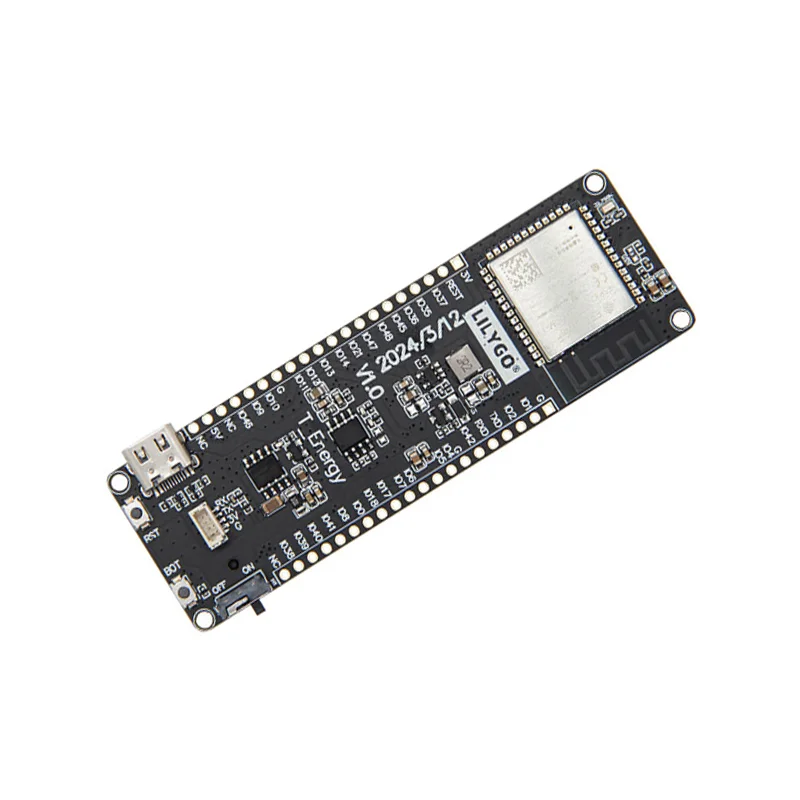
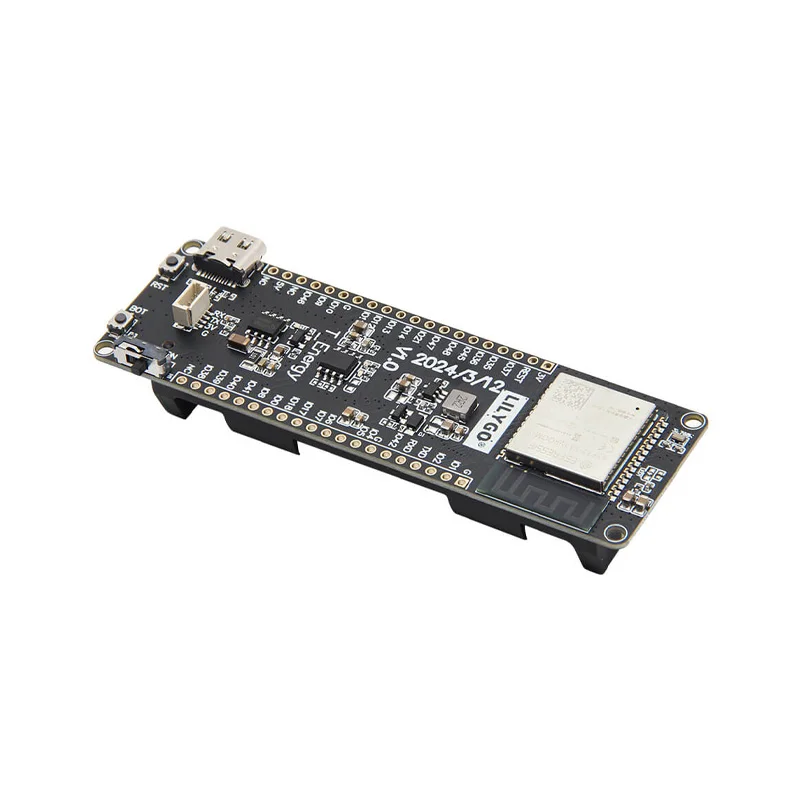
LilyGO T-Energy S3 ESP32-S3-WROOM-1 16MB Flash 8MB PSRAM 18650 Battery Module

₹1,679.00 (Inclusive of all taxes)
Out of Stock

The LilyGO T-Energy S3 is an ESP32-S3-WROOM-1-based development board with 16MB Flash and 8MB PSRAM, designed for portable IoT energy monitoring projects. It integrates 2.4GHz Wi-Fi, Bluetooth 5.0 LE, and an 18650 battery holder for field-deployable applications, programmable via Arduino IDE, ESP-IDF, or MicroPython.

Features

  • ESP32-S3 dual-core Xtensa LX7 processor for high-performance IoT edge computing and signal processing tasks.
  • Generous 16MB Flash and 8MB PSRAM for storing complex firmware, web assets, and buffering large sensor data sets.
  • Integrated 2.4GHz Wi-Fi and Bluetooth 5.0 LE for dual-mode wireless connectivity to local networks and BLE peripherals.
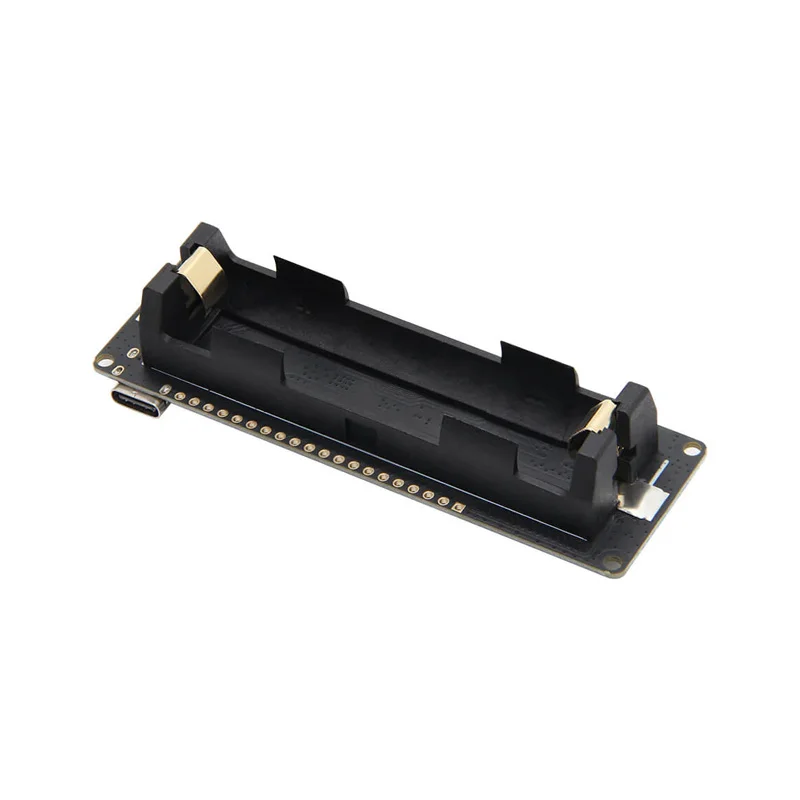
  • Onboard 18650 lithium battery holder enables portable, battery-powered deployments for remote energy monitoring.
  • Qwiic 4-pin I2C connector allows for rapid expansion with a wide ecosystem of sensors and actuators without soldering.

Out of stock

Description

The LilyGO T-Energy S3 development board leverages the Espressif ESP32-S3 microcontroller, featuring a dual-core processor with vector instructions for efficient AI/ML workloads at the edge. Its substantial 8MB PSRAM supports memory-intensive operations, making it suitable for graphical interfaces or data caching.

Engineered for energy-centric applications, the board includes a dedicated holder for an 18650 cell, providing a clean power management path for portable telemetry units. The USB Type-C port delivers both programming and 5V/500mA charging capabilities, while the integrated Qwiic connector accelerates prototyping with plug-and-play I2C modules.

Key Features

  • High-performance ESP32-S3 dual-core processor with AI-accelerating vector extensions for edge intelligence.
  • Ample memory configuration with 16MB Flash for firmware and 8MB PSRAM for dynamic data handling.
  • Dual wireless connectivity via 2.4GHz Wi-Fi (802.11 b/g/n) and Bluetooth 5.0 Low Energy for versatile network integration.
  • Built-in 18650 battery holder with charging circuit for creating standalone, portable IoT sensor nodes.
  • Qwiic (I2C) Stemma QT 4-pin connector enables solderless daisy-chaining of compatible sensors and displays.
  • User-friendly BOOT and Reset buttons for straightforward firmware flashing and device control.
  • USB Type-C interface for robust data transfer, programming, and power delivery.
  • Broad development environment support including Arduino IDE, ESP-IDF, VS Code with PlatformIO, and MicroPython.

Applications

  • Portable energy monitoring and power quality analysis systems for solar installations or smart grids.
  • Wireless environmental sensor nodes for agriculture, measuring soil moisture, temperature, and humidity.
  • BLE/Wi-Fi gateways for bridging sensor data between local Bluetooth networks and cloud platforms.
  • Battery-operated asset trackers with geofencing capabilities using Wi-Fi positioning.
  • Prototyping platform for AIoT applications requiring significant memory, such as voice recognition or simple computer vision.

Technical Specifications

Microcontroller/SoCESP32-S3 (ESP32-S3-WROOM-1 module)
Wireless Protocols2.4GHz Wi-Fi (802.11 b/g/n), Bluetooth 5.0 LE
Flash Memory16 MB
PSRAM8 MB
USB InterfaceType-C
USB Charging5V / 500mA
Expansion InterfaceQwiic (I2C) 4-pin connector
Power Input18650 Lithium Battery Holder, USB Type-C
User ControlsBOOT Button, Reset Button

Frequently Asked Questions

How do I program the LilyGO T-Energy S3 board using the Arduino IDE?

First, install the ESP32 board support package via the Arduino Boards Manager. Select 'ESP32S3 Dev Module' as your target. Connect the board via USB-C, ensure the correct COM port is chosen, and use the BOOT button to enter download mode if automatic reset fails. The extensive GPIOs and Qwiic connector are then accessible through standard Arduino libraries for Wi-Fi, BLE, and I2C communication.

What is the purpose of the 8MB PSRAM on this ESP32-S3 board?

The 8MB PSRAM (Pseudo Static RAM) provides additional volatile memory for data-intensive tasks. It is essential for buffering camera frames, storing audio samples, handling large graphics buffers for displays, or caching complex sensor datasets in memory-hungry applications like voice recognition or edge AI inference, preventing bottlenecks from the internal SRAM.

Can I power the T-Energy S3 solely from an 18650 battery, and how is charging managed?

Yes, the board can operate entirely from a single 18650 Li-ion cell inserted into the onboard holder. The integrated charging circuit allows you to recharge the battery via the USB Type-C port at up to 500mA. The system automatically manages power source selection between battery and USB, making it ideal for field deployments where mains power is unavailable.

Package Includes

  • 1 x LilyGO T-Energy S3 Development Board

Additional Information

Weight 0.05 kg
Dimensions 14 × 6 × 6 cm