SKU: SENS-3776
📋 GST Invoice Available

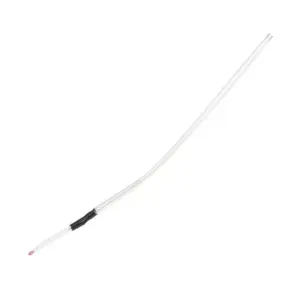
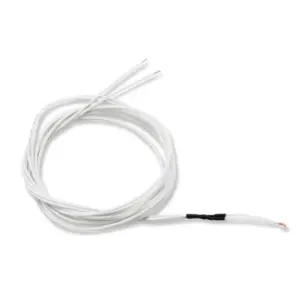
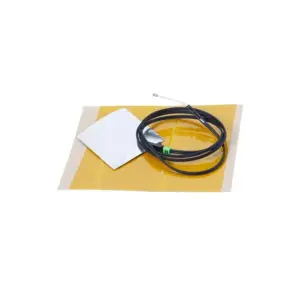
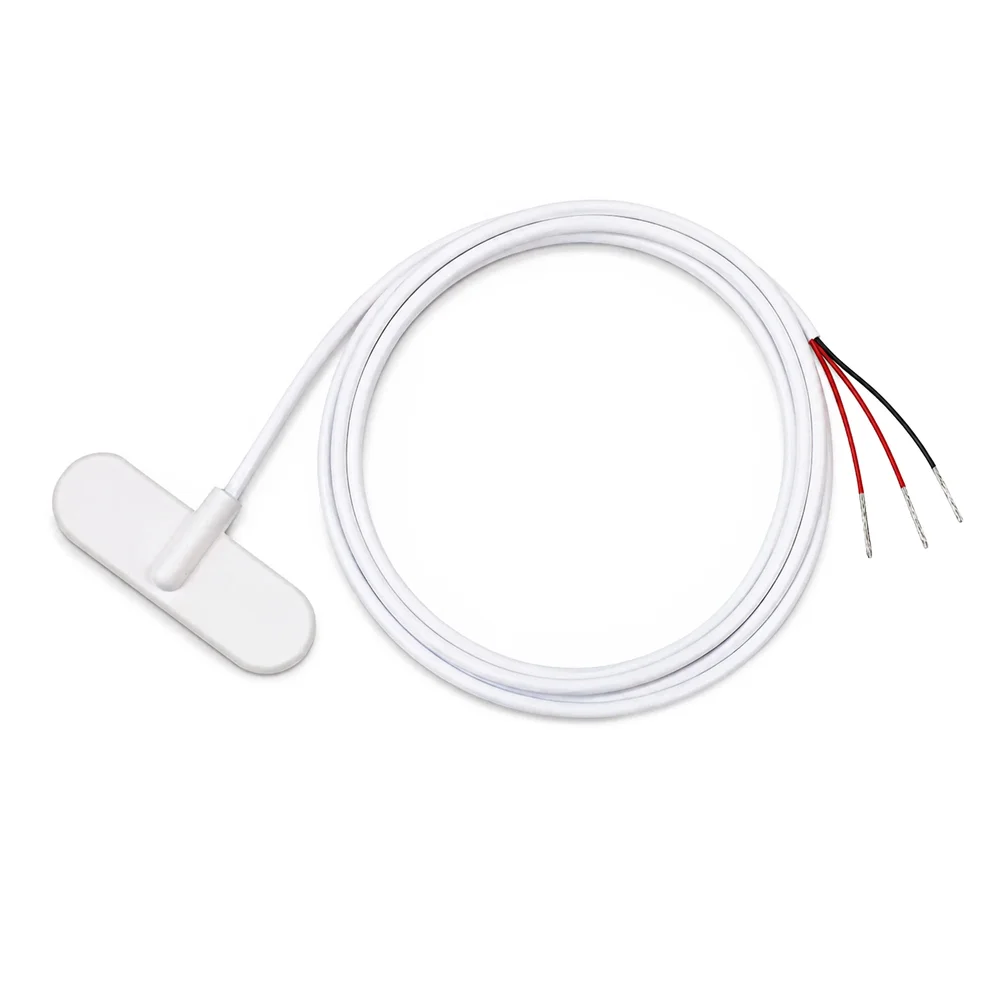
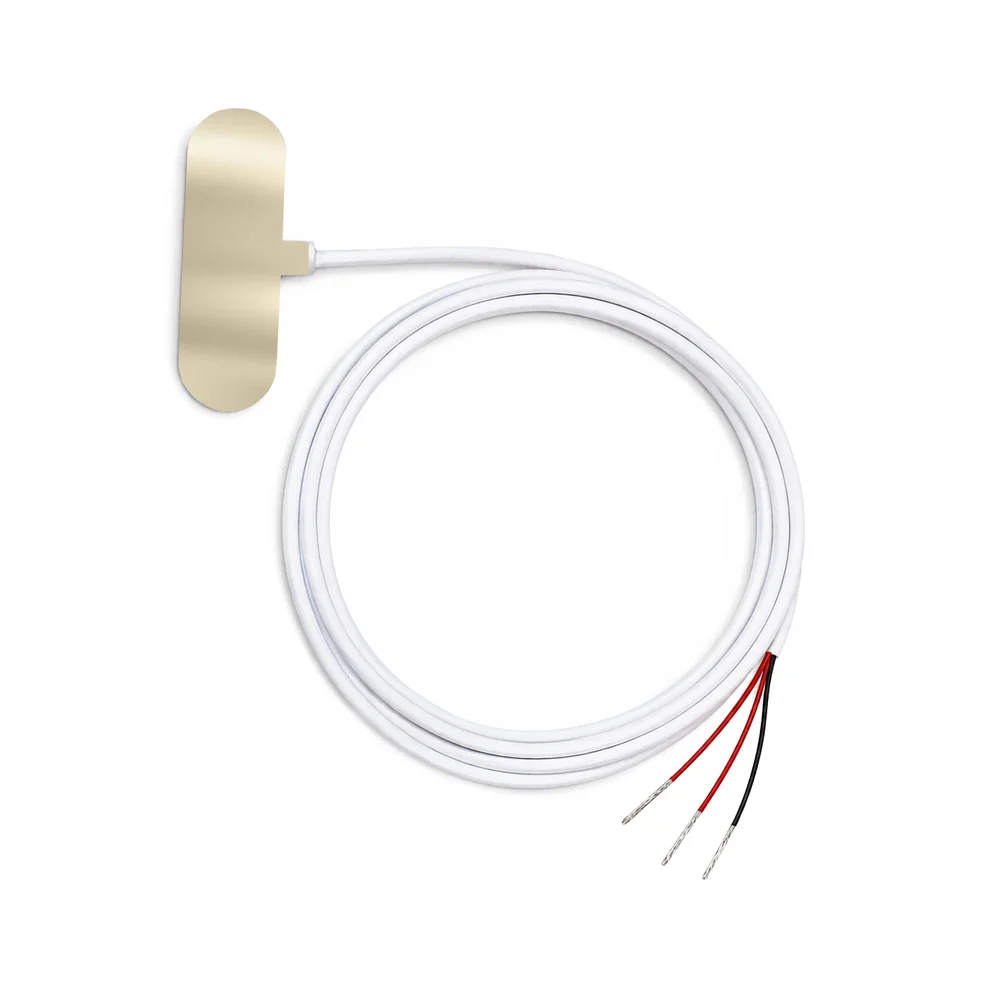
Omega Engineering SA2C-RTD-3-100-A-120 RTD Sensor Component with Leads - Class A Platinum Pt100, 4-Wire

₹30,239.00 (Inclusive of all taxes)
Out of Stock

The Omega Engineering SA2C-RTD-3-100-A-120 is a flexible, adhesive-backed platinum RTD (Pt100) sensor for precise surface temperature measurement from -50°C to 200°C. Its 4-wire configuration ensures high-accuracy Class A performance, making it ideal for integration with industrial PLCs, data loggers, and process controllers.

Features

  • Class A Platinum Pt100 RTD with 100Ω at 0°C for high-precision temperature sensing.
  • Flexible, adhesive-backed design conforms to curved or irregular surfaces for versatile mounting.
  • 4-wire configuration minimizes lead resistance errors for superior measurement accuracy.
  • Wide operating range from -50°C to +200°C for demanding industrial and lab environments.
  • Durable PFA-insulated lead wires ensure reliable performance and long-term stability.

Out of stock

Description

The Omega Engineering SA2C-RTD-3-100-A-120 utilizes a platinum thin-film sensing element, adhering to the IEC 60751 standard for RTDs. Its 4-wire configuration is critical for precision applications, as it allows the measurement system to compensate for and eliminate errors caused by lead wire resistance, providing a true reading of the sensor’s resistance change with temperature.

Designed for surface mounting, the sensor’s flexible substrate and integrated adhesive backing facilitate secure installation on pipes, tanks, machinery housings, and laboratory equipment without the need for mechanical clamps. The PFA (Perfluoroalkoxy) insulation on the leads offers excellent chemical resistance and thermal stability, supporting continuous operation across its full specified temperature range.

Key Features

  • High-Accuracy Class A Platinum RTD: Delivers ±(0.15 + 0.002|t|)°C conformity for precise temperature control.
  • Flexible Surface-Mount Design: Thin, conformable sensor body allows for optimal thermal contact on non-flat surfaces.
  • 4-Wire Measurement Circuitry: Eliminates lead resistance errors, essential for laboratory-grade accuracy.
  • Integrated Pressure-Sensitive Adhesive: Simplifies installation and ensures consistent thermal coupling.
  • Robust PFA-Insulated Leads: Provides durability and resistance to a wide range of chemicals and temperatures.
  • Wide Operational Temperature Range: Suitable for applications from cryogenic cooling to moderate heating processes.
  • Fast Thermal Response Time: Thin construction minimizes thermal mass for quick reaction to temperature changes.

Applications

  • Surface temperature monitoring on industrial process pipes and reactor vessels.
  • Precision thermal management in laboratory incubators, ovens, and environmental chambers.
  • Temperature validation and profiling on electronic component test fixtures and heat sinks.
  • HVAC system performance monitoring on ductwork and coil surfaces.
  • Research and development projects requiring accurate, flexible temperature sensing.

Technical Specifications

Manufacturer Part NumberSA2C-RTD-3-100-A-120
Sensor TypePlatinum RTD (Pt100)
Resistance at 0°C100 Ω
Accuracy ClassClass A (IEC 60751)
Temperature Range-50°C to +200°C
Wire Configuration4-Wire
Sensing ElementPlatinum Thin Film
Lead Wire InsulationPFA (Perfluoroalkoxy)
Mounting MethodFlexible Adhesive Backing
Primary OutputResistance (Ohms)

Frequently Asked Questions

What is the advantage of a 4-wire configuration in this RTD sensor?

The 4-wire configuration, also known as a true 4-wire RTD, uses two wires to supply a known excitation current to the sensor and two separate wires to measure the voltage drop across it. This method eliminates errors caused by the resistance of the lead wires themselves, which is critical for achieving the high accuracy specified by the Class A rating, especially over longer cable runs or in precision measurement systems.

How do I mount the flexible SA2C-RTD-3-100-A-120 sensor?

The sensor features a pressure-sensitive adhesive backing. Ensure the target surface is clean, dry, and free of oils. Peel the protective liner and firmly press the sensor onto the surface, smoothing it out to eliminate air bubbles for optimal thermal contact. For high-temperature or permanent applications, supplemental mechanical fastening or high-temperature adhesive may be recommended by Omega Engineering.

Can this RTD sensor be used with a standard 2-wire or 3-wire transmitter?

While physically possible, using it with a 2-wire or 3-wire system will negate the accuracy benefit of the 4-wire design. For best performance, it must be connected to a 4-wire capable RTD input on a PLC, data logger, or temperature controller. If only 2/3-wire inputs are available, you must consult the instrument's manual for proper wiring adaptation, acknowledging a potential decrease in system accuracy.

What is the difference between Class A and Class B accuracy for RTDs?

Class A and Class B are tolerance classes defined by the IEC 60751 standard. Class A offers higher precision, with a tolerance of ±(0.15 + 0.002|t|)°C, where |t| is the absolute temperature value. Class B has a wider tolerance of ±(0.30 + 0.005|t|)°C. The SA2C-RTD-3-100-A-120's Class A rating makes it suitable for applications where measurement precision is critical, such as calibration, scientific research, and high-end process control.

Package Includes

  • 1 x Omega Engineering SA2C-RTD-3-100-A-120 Flexible RTD Sensor with Leads

Additional Information

Weight 0.041 kg
Dimensions 8 × 8 × 3 cm