SKU: SENS-2030
📋 GST Invoice Available

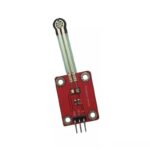
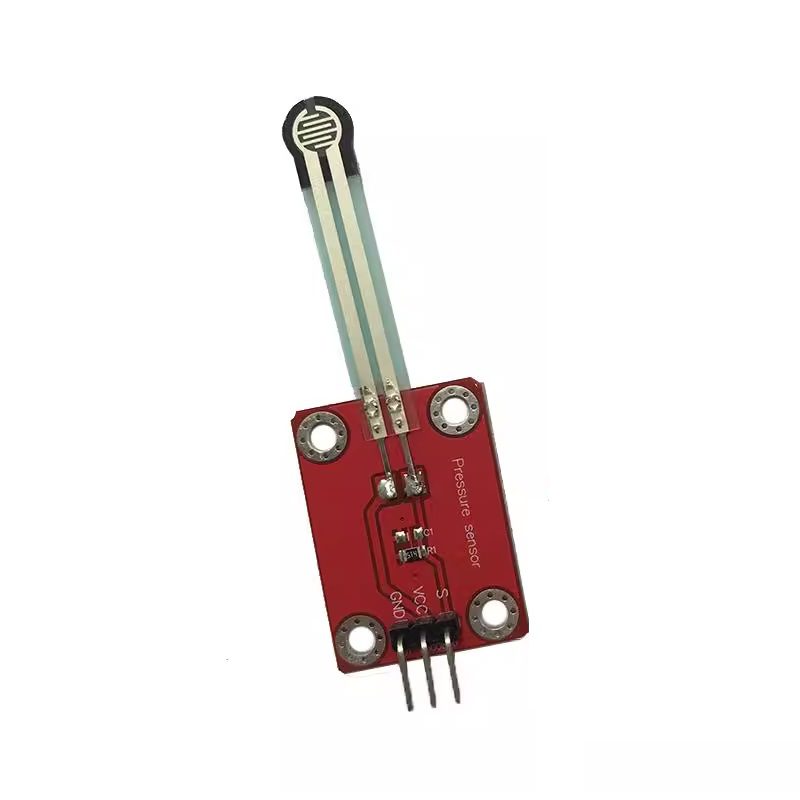
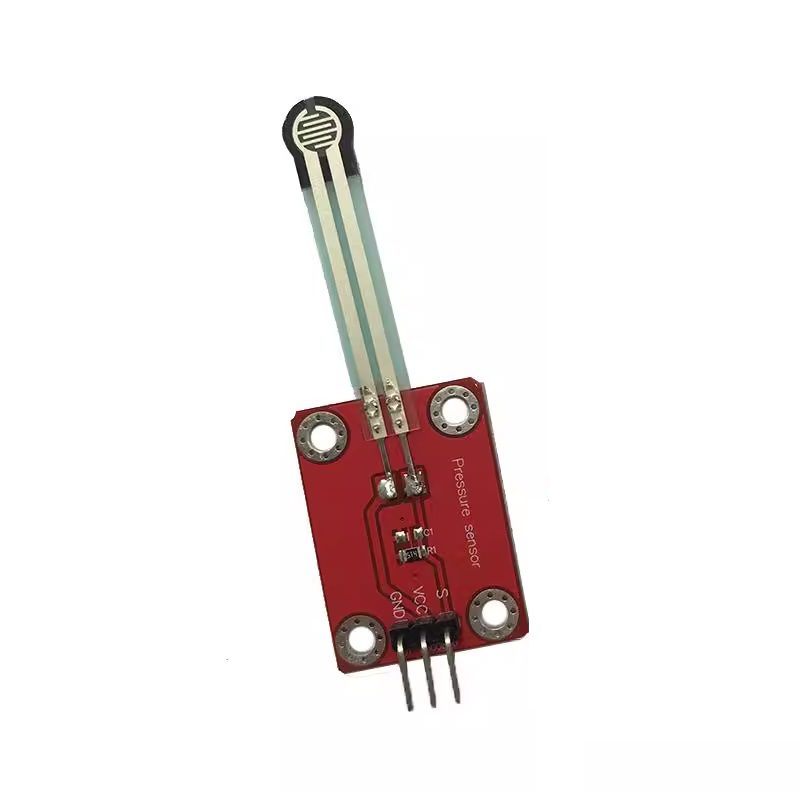
Generic Membrane Pressure Sensor Plate - Red Plate w/ 3-Pin Green Header

₹140.00 (Inclusive of all taxes)
Out of Stock

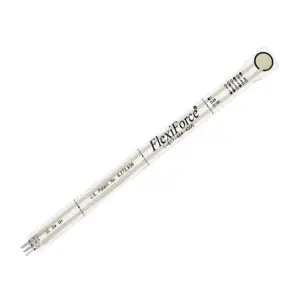
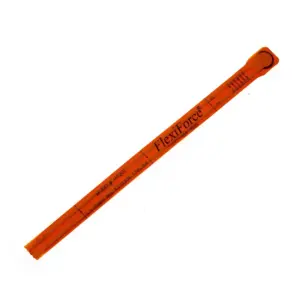
This red plate assembly is an accessory designed for mounting and interfacing with flexible membrane or FSR (Force-Sensing Resistor) pressure sensors. It features a 3-pin green header for easy connection to development boards like Arduino, Raspberry Pi, or custom PCBs, providing a stable base for sensor integration.

Features

  • Accessory plate for membrane/FSR pressure sensor mounting and connection.
  • Equipped with a standard 3-pin green male pin header for plug-and-play wiring.
  • Red anodized or coated plate provides a rigid, stable mounting surface.
  • Simplifies prototyping and integration into force-sensing projects.
  • Compact and lightweight design for space-constrained applications.

Out of stock

Description

This component is not a sensor itself but a crucial mounting and interfacing accessory for flexible pressure-sensing elements like membrane sensors or FSRs. The rigid red plate acts as a stable backing, preventing sensor flexure beyond its intended range and ensuring consistent force application. The integrated 3-pin green header provides a reliable solderless connection point, streamlining the wiring process to microcontrollers or data acquisition systems.

By offering a dedicated mechanical fixture, this plate enhances the repeatability and durability of thin-film force sensor setups. It is ideal for prototyping applications where precise sensor placement and secure electrical connections are required, such as in tactile arrays, pressure mats, or human-machine interface controls.

Key Features

  • Rigid mounting plate provides structural support for flexible sensing membranes.
  • Integrated 3-pin male header enables quick solderless connections to Jumper wires or sockets.
  • Anodized or coated red finish offers corrosion resistance and part identification.
  • Optimized for prototyping with common development platforms (Arduino, Raspberry Pi, ESP32).
  • Lightweight aluminum or composite construction ensures durability without adding significant mass.
  • Designed to standardize and simplify the assembly of custom force-sensing modules.

Applications

  • Prototyping tactile sensor arrays for robotics and gripper systems.
  • Mounting base for FSRs in custom human-machine interface (HMI) control panels.
  • Assembly of pressure-sensitive mats for occupancy detection or gait analysis.
  • Building experimental force-feedback systems for VR and simulation interfaces.
  • Creating educational kits for demonstrating force and pressure sensing principles.

Technical Specifications

ApplicationAccessory for membrane/FSR pressure sensor assemblies
Number of Pins3
Header ColorGreen
Plate Color / FinishRed
Weight0.003 kg
Shipping Weight0.005 kg

Frequently Asked Questions

Is this a complete pressure sensor, or just an accessory?

This is an accessory plate, not a complete sensor. It is designed to physically mount and provide electrical connection via its 3-pin header for a separate flexible membrane or FSR (Force-Sensing Resistor) pressure sensor element. You will need to attach your own sensing element to the plate.

What is the pinout configuration of the 3-pin green header?

The standard pinout for such a header used with FSRs or simple resistive sensors is typically: Pin 1 (e.g., VCC/signal), Pin 2 (signal/output), and Pin 3 (GND). You should verify the connection with your specific sensor's datasheet, as it may require a voltage divider circuit. The pins are spaced for standard 0.1" breadboard or Jumper wire compatibility.

Can this plate be used with any membrane pressure sensor?

It is designed as a Generic mounting platform for common round or square FSRs and thin membrane sensors. Compatibility depends on the physical size and mounting holes of your specific sensor element. The rigid plate provides a stable backing to ensure force is applied evenly across the active sensing area.

How do I connect this to an Arduino or microcontroller?

Connect the 3-pin header to your board using female-to-female Jumper wires. Typically, you would connect one pin to a voltage reference (e.g., 5V or 3.3V), one to an analog input pin on the Arduino, and one to ground. An external pull-down or voltage divider resistor is often required on the signal line to read the sensor's variable resistance as a voltage.

Package Includes

  • 1 x Red Plate with Integrated 3-Pin Green Header

Additional Information

Weight 0.003 kg
Dimensions 5 × 6 × 2 cm