SKU: IOWC-1243
📋 GST Invoice Available

LilyGO T4-S3 ESP32-S3 2.41-Inch AMOLED Touch Display Development Board

₹8,709.00 (Inclusive of all taxes)
Out of Stock

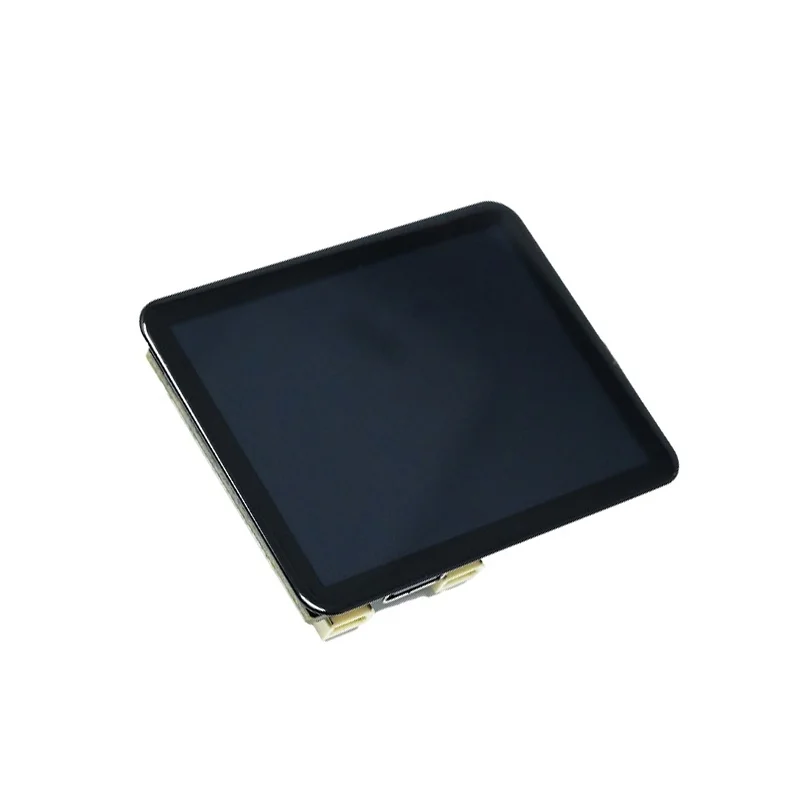
The LilyGO T4-S3 is an ESP32-S3R8-powered development board featuring a 2.41-inch RGB AMOLED touch display, designed for creating rich graphical IoT interfaces. It supports Arduino, PlatformIO, and MicroPython for rapid prototyping of Wi-Fi and Bluetooth 5 (LE) connected applications.

Features

  • ESP32-S3R8 Dual-Core LX7 MCU – Provides high-performance processing with 16MB flash and 8MB PSRAM for complex GUI and wireless tasks.
  • 2.41-Inch RGB AMOLED Touch Display – Features a bright 800 cd/m², 450×600 pixel SPI interface screen for crisp, responsive visual feedback.
  • Dual Wireless Connectivity – Integrates 2.4 GHz Wi-Fi and Bluetooth 5 (LE) for versatile IoT communication and device pairing.
  • Multi-Platform Development Support – Compatible with Arduino IDE, PlatformIO, and MicroPython for flexible firmware development.
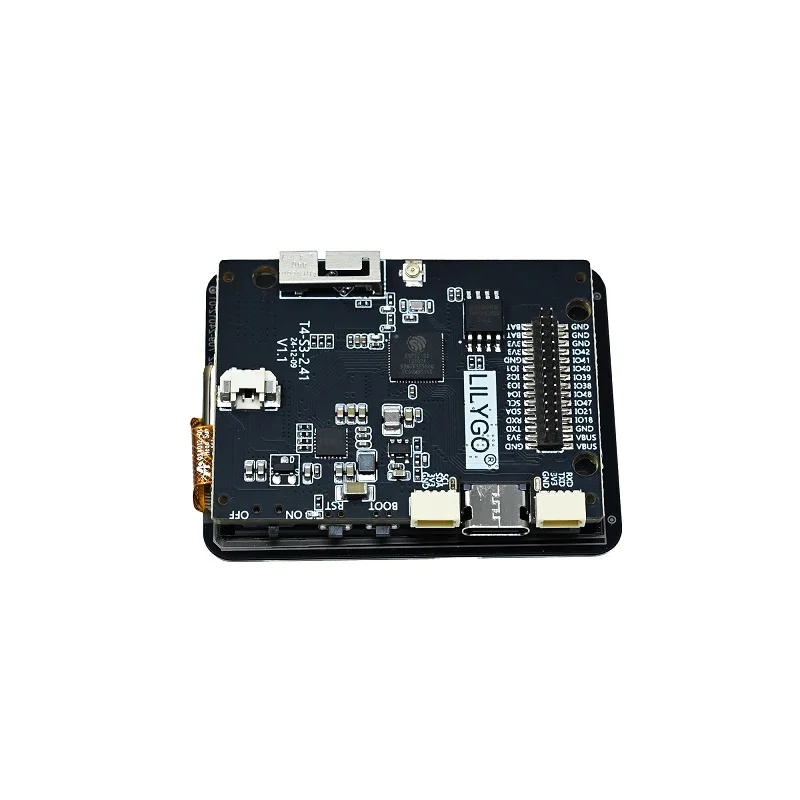
  • Integrated User Interface Hardware – Includes boot/reset buttons, microSD card slot, and a battery connector for portable, feature-rich projects.

Out of stock

Description

The LilyGO T4-S3 merges the powerful wireless capabilities of the Espressif ESP32-S3 microcontroller with a high-quality AMOLED touchscreen, creating an all-in-one platform for advanced IoT human-machine interfaces. The dual-core LX7 processor handles both wireless stack management and dynamic graphics rendering efficiently, supported by ample 16MB flash and 8MB PSRAM.

Its integrated 2.4 GHz Wi-Fi and Bluetooth 5 Low Energy radios enable direct connection to local networks, cloud services, and peripheral BLE devices. The board’s physical design incorporates essential controls and expansion via a microSD slot and a dedicated battery connector, making it suitable for portable, battery-operated smart devices, interactive dashboards, and handheld diagnostic tools.

Key Features

  • High-performance ESP32-S3R8 dual-core LX7 microprocessor with 240 MHz clock speed.
  • Integrated 2.41-inch SPI RGB AMOLED touch display with QSPI interface for fast graphics updates.
  • Comprehensive wireless suite with 802.11 b/g/n Wi-Fi and Bluetooth 5 LE for dual-mode connectivity.
  • Substantial 16MB flash memory and 8MB PSRAM for storing large graphics assets and application code.
  • Multi-framework support including Arduino Core, ESP-IDF, PlatformIO, and MicroPython for developer flexibility.
  • Onboard user interface elements: tactile boot and reset buttons, microSD card slot for data logging.
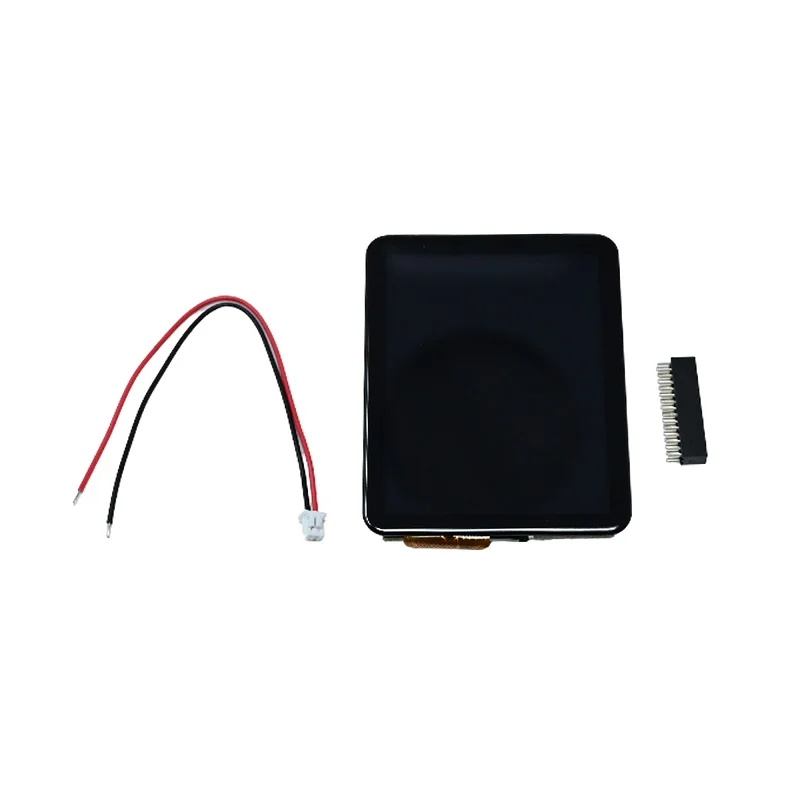
  • Includes a 1.27mm pitch female header and battery cable for easy system integration and portable power.

Applications

  • Smart home control panels and interactive dashboards with local touch control.
  • Portable IoT data loggers and field diagnostic tools with graphical readouts.
  • BLE/Wi-Fi gateway devices with status display for sensor networks.
  • Prototyping wearable tech and handheld gaming devices with rich graphics.
  • Industrial HMI (Human-Machine Interface) for monitoring and controlling equipment.

Technical Specifications

Microcontroller / SoCESP32-S3R8 Dual-Core LX7
Wireless Protocols2.4 GHz Wi-Fi 802.11 b/g/n, Bluetooth 5 (LE)
Display2.41-inch RGB AMOLED Touch, 450x600 pixels
Display InterfaceSPI (QSPI)
Flash Memory16 MB
PSRAM8 MB
Development PlatformsArduino IDE, PlatformIO, ESP-IDF, MicroPython
Onboard InterfacesMicroSD Slot, Battery Connector, Boot/Reset Buttons
Header Pitch1.27mm (included)

Frequently Asked Questions

What development environments are supported for programming the T4-S3 board?

The board is fully compatible with the Arduino IDE using the ESP32-S3 Arduino Core, Espressif's official ESP-IDF framework for advanced control, PlatformIO for a streamlined embedded workflow, and MicroPython for rapid scripting. Libraries for the AMOLED display are available in each ecosystem, requiring you to install the correct board package and driver files before uploading your first sketch or project firmware.

How do I connect a battery to the board for portable operation?

Use the included battery cable to connect a single-cell 3.7V Li-Po or Li-Ion battery to the dedicated 2-pin JST connector on the board. The integrated power management circuitry handles charging and stable voltage supply. Ensure your code implements proper deep sleep modes on the ESP32-S3 to maximize battery life, as the bright AMOLED display is a significant power consumer during active use.

Can I use the microSD card slot for data logging alongside the display?

Yes, the microSD slot is accessible via the ESP32-S3's SPI bus and can be used concurrently with the display, which uses a separate QSPI interface. You will need to initialize the SD card library in your code. The ample PSRAM helps buffer data, preventing lag during simultaneous writing to the card and updating graphics on the AMOLED screen in real-time data logging applications.

What is the pinout for connecting external sensors to the T4-S3's GPIO?

The board uses a 1.27mm pitch 30-pin header (2x15). You must solder the included female header to access GPIOs. The pinout follows standard ESP32-S3 assignments, with several pins multiplexed for the display and SD card. Consult the LilyGO schematic to identify free GPIOs, noting that pins like GPIOs 33-37 are typically available for I2C, SPI, or analog sensors after accounting for the primary display and storage functions.

Package Includes

  • 1 x T4-S3-2.41 Display Module (Main Board)
  • 1 x 1.27mm Female Pin Header (2*15P)
  • 1 x Battery Cable

Additional Information

Weight 0.02 kg
Dimensions 7 × 6 × 3 cm