SKU: IOWC-1004
📋 GST Invoice Available

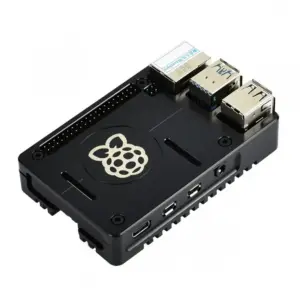
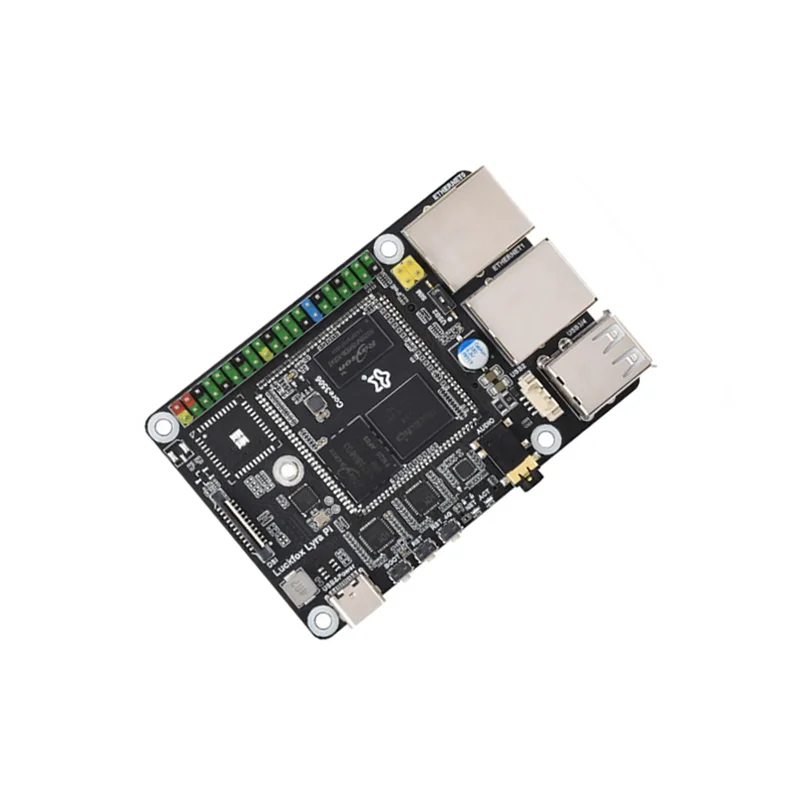
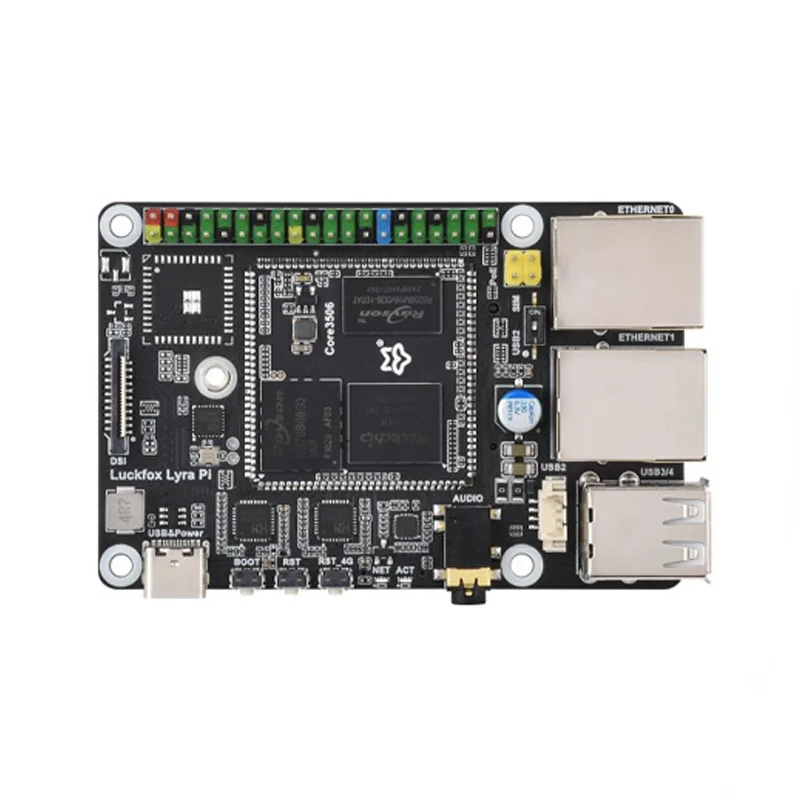
Waveshare Luckfox Lyra Pi Linux Micro Dev Board w/ RK3506B, 8GB eMMC

₹5,459.00 (Inclusive of all taxes)
Out of Stock

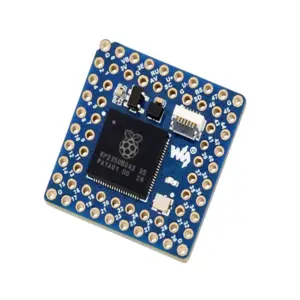
The Waveshare Luckfox Lyra Pi is a compact, Linux-capable micro development board built around the Rockchip RK3506B SoC, featuring a triple-core ARM Cortex-A7 processor, 512MB RAM, and 8GB eMMC storage. It provides a versatile platform for embedded IoT and edge computing applications, supporting interfaces like MIPI DSI, USB, GPIO, and an optional M.2 slot for 4G cellular expansion.

Features

  • Rockchip RK3506B SoC with triple-core ARM Cortex-A7 (1.2GHz) and Cortex-M0 co-processor for main application and low-power tasks.
  • Onboard 8GB eMMC flash storage and 512MB DDR3L RAM for reliable Linux OS boot and application data.
  • Rich I/O includes 23 Rockchip Matrix IO pins plus 5 GPIOs, MIPI DSI display interface (1280×1280 @60Hz), USB-C, and 3x USB 2.0 host ports.
  • M.2 expansion slot ready for optional SIM7600G-H 4G LTE module, enabling cellular IoT connectivity where Wi-Fi is unavailable.
  • Compact 85x56mm form factor with Raspberry Pi-compatible mounting, ideal for space-constrained embedded prototypes and industrial edge nodes.

Out of stock

Description

The Waveshare Luckfox Lyra Pi is a feature-rich Linux micro development board engineered around the Luckfox Core3506 module. Its Rockchip RK3506B system-on-chip integrates a high-performance 1.2GHz triple-core ARM Cortex-A7 cluster alongside a dedicated ARM Cortex-M0 core, enabling efficient separation of compute-intensive Linux applications from real-time, low-power control tasks. This architecture is well-suited for demanding embedded vision, gateway, and edge AI workloads.

Connectivity is a core strength, with the board offering a dual-lane MIPI DSI interface for high-resolution displays, USB-C for power and data, an RMII interface for Ethernet, and a comprehensive set of GPIOs managed by Rockchip’s flexible Matrix IO system. The inclusion of an M.2 slot specifically designed for the SIM7600G-H module provides a clear upgrade path to global 4G LTE Cat-4 connectivity, making this board a compelling choice for remote telemetry, mobile routers, and outdoor IoT deployments.

Key Features

  • Linux-ready embedded platform with powerful ARM Cortex-A7 application processor and real-time Cortex-M0 microcontroller.
  • Ample onboard storage with 8GB eMMC flash for the operating system, applications, and data logging without SD card dependency.
  • Advanced Rockchip Matrix IO subsystem provides signal multiplexing across 98 functions, offering extreme GPIO flexibility for peripheral interfacing.
  • High-speed display support via MIPI DSI interface, capable of driving screens up to 1280x1280 resolution at 60Hz refresh rate.
  • Dedicated M.2 key-B slot for seamless integration of Waveshare's SIM7600G-H 4G LTE module, enabling cellular backhaul.
  • Multiple USB 2.0 host ports via an integrated hub for connecting keyboards, mice, storage, and other USB peripherals.
  • Compact and robust design with standard 40-pin GPIO header compatibility, easing integration into existing Raspberry Pi ecosystems.

Applications

  • Embedded Linux gateways and edge computing nodes for industrial IoT (IIoT) data aggregation.
  • Prototype platform for smart displays, digital signage, and HMI panels using the MIPI DSI interface.
  • Base for cellular IoT routers and remote telemetry units when paired with a 4G LTE module.
  • Educational and development board for learning embedded Linux, driver development, and system integration.
  • Central controller for advanced robotics, automation systems, and machine vision applications.

Technical Specifications

SoC / MicrocontrollerRockchip RK3506B (Triple-core ARM Cortex-A7 @ 1.2GHz + Single-core ARM Cortex-M0)
RAM512MB DDR3L
Storage8GB eMMC Flash
Display InterfaceMIPI DSI 2-lane (up to 1280x1280 @ 60Hz)
USB Interfaces1x USB-C (Power/OTG), 3x USB 2.0 HOST (via Hub)
Network InterfaceRMII for Ethernet (PHY not integrated), M.2 slot for 4G module
GPIO & Digital I/O23 Rockchip Matrix IO + 5 GPIOs
Audio3.5mm audio jack
ExpansionM.2 Key-B slot (for SIM7600G-H 4G module)
Dimensions85mm x 56mm

Frequently Asked Questions

How do I install a Linux OS on the Luckfox Lyra Pi board?

You can flash a pre-built Linux image to the onboard eMMC using the USB-C port and the Rockchip USB upgrade tool. Download the official system image from Waveshare's wiki, connect the board in MaskROM mode by holding the recovery button while powering on, and use the upgrade tool on a host PC to write the image. The board will then boot directly from eMMC. The process typically involves using tools like rkdeveloptool or the Windows-based RKDevTool provided by Rockchip.

What is the purpose of the Rockchip Matrix IO, and how do I use it?

Rockchip Matrix IO is a flexible signal multiplexing system that allows a single physical pin to be configured for multiple different functions (like UART, I2C, PWM, or GPIO). You configure it through device tree overlays in the Linux kernel. To use a specific function, you must modify the device tree source (DTS) file for your board to assign the desired IO mux setting, recompile the device tree blob, and load it. This provides extreme flexibility but requires working with the kernel configuration.

Can I add Wi-Fi and Bluetooth to this board since it doesn't have them onboard?

Yes, you can add Wi-Fi and Bluetooth via USB dongles connected to one of the three USB 2.0 host ports. For embedded designs, a USB-based module like the RTL8821CU or similar can be used. You will need to install the appropriate Linux kernel drivers for your chosen USB wireless adapter. Ensure your selected OS image includes support for common USB Wi-Fi chipsets, or be prepared to compile and install the drivers manually from source.

How do I connect and configure the optional SIM7600G-H 4G module?

Insert the SIM7600G-H module into the M.2 Key-B slot on the board and secure it. Connect an external LTE antenna to the module's U.FL connector. Power the board via USB-C. The module should be automatically recognized as a USB serial device (e.g., /dev/ttyUSB2). You can then use AT commands over this serial port to configure the module, establish a PPP connection for internet access, or use higher-level libraries like pppd or ModemManager. Ensure you have a valid SIM card and APN settings from your cellular provider.

Package Includes

  • 1 x Waveshare Luckfox Lyra Pi Development Board
  • 2 x Mounting Screws

Additional Information

Weight 0.045 kg
Dimensions 8.5 × 5.6 cm