SKU: IOWC-0160
📋 GST Invoice Available

LilyGO T-Beam V1.2 ESP32 LoRa 433MHz Module w/ GPS & IPEX

₹4,889.00 (Inclusive of all taxes)
Out of Stock

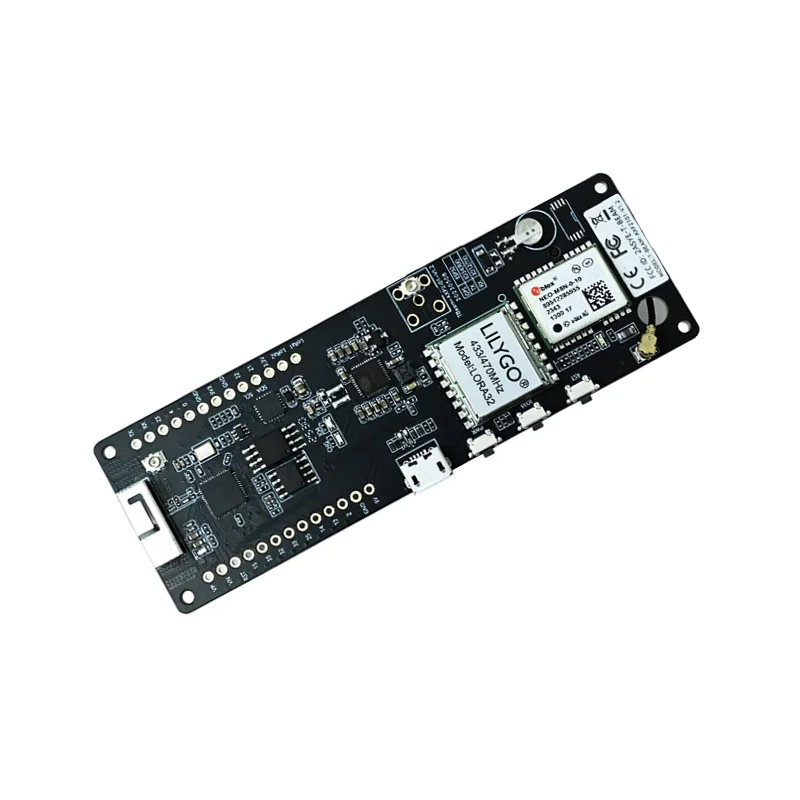
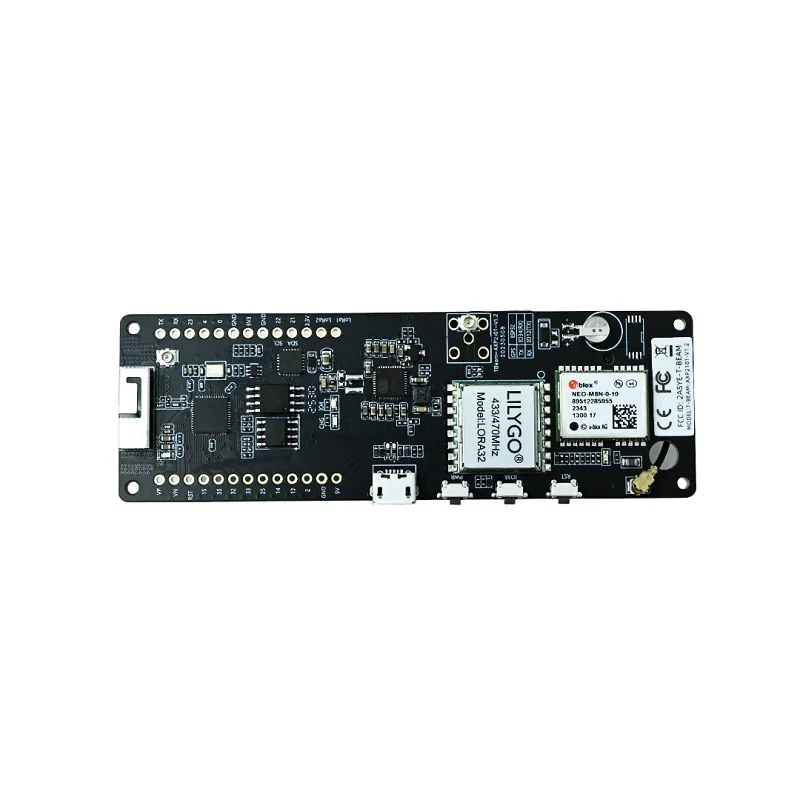
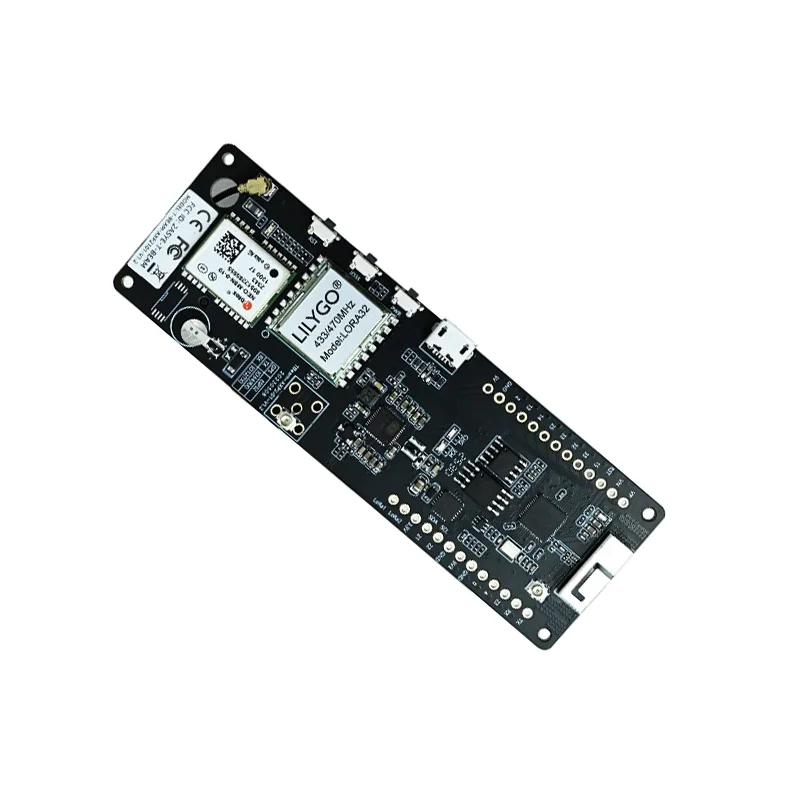
The LilyGO T-Beam V1.2 is a versatile ESP32-based development board integrating a 433MHz LoRa transceiver (Semtech SX1262), Wi-Fi/Bluetooth LE, and a u-blox NEO-6M GPS module, designed for long-range IoT sensor nodes and asset tracking applications with Arduino IDE and ESP-IDF compatibility.

Features

  • Dual-core ESP32 SoC with 4MB flash provides Wi-Fi, Bluetooth LE, and extensive GPIO for sensor integration.
  • Integrated Semtech SX1262 LoRa transceiver operates at 433MHz (variant) with +20dBm output power for sub-GHz wireless links.
  • Onboard u-blox NEO-6M GPS module with ceramic antenna enables precise location tracking for mobile or fixed assets.
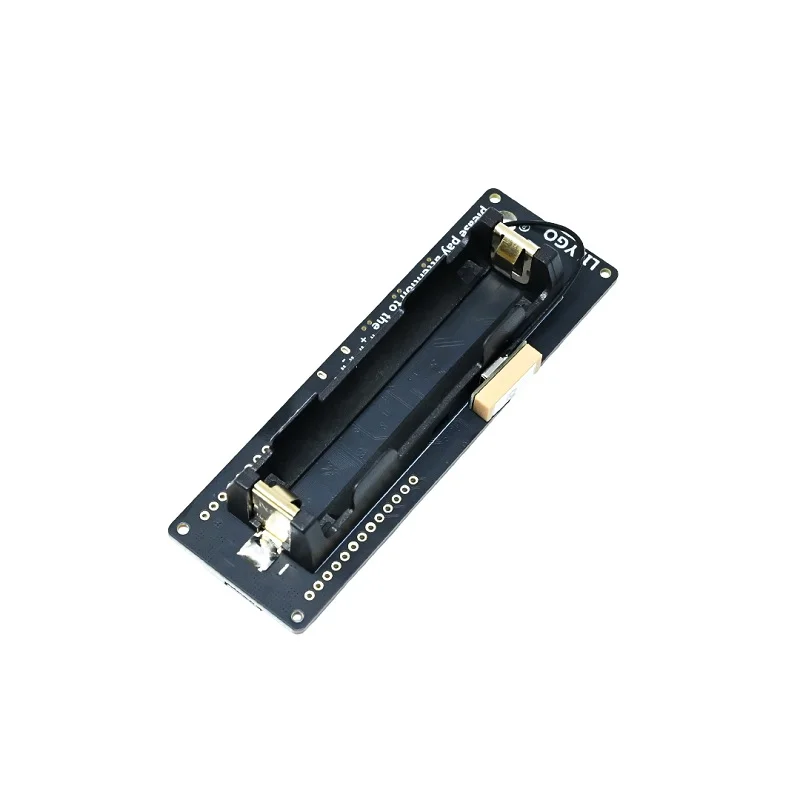
  • Includes AXP192 power management IC supporting 18650 Li-ion battery charging (500mA max) and ultra-low 0.2µA sleep current.
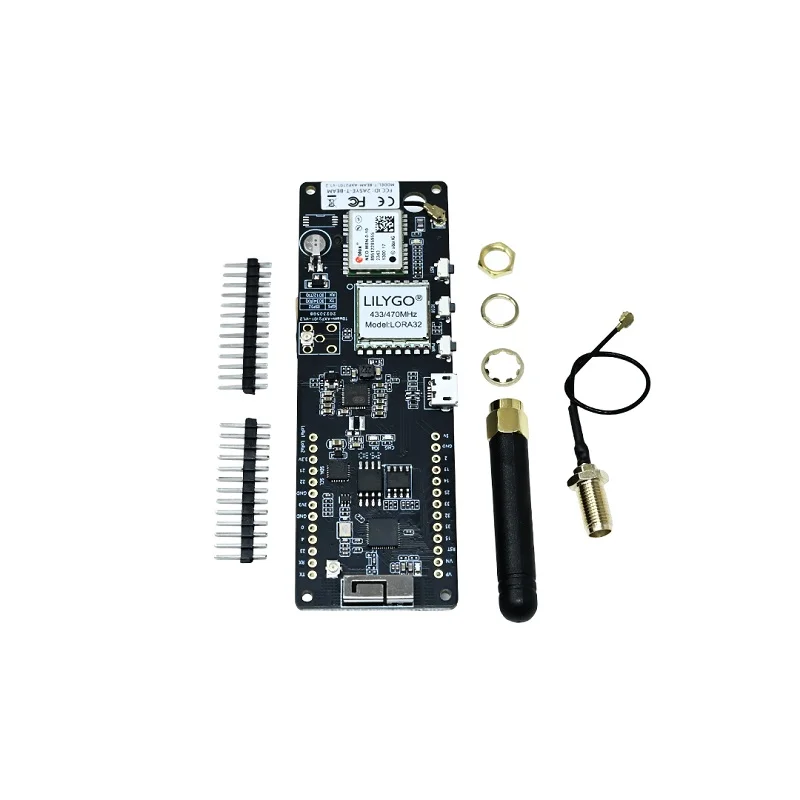
  • Pre-installed IPEX connector for external antenna and unsoldered 26-pin headers for flexible peripheral connection.

Out of stock

Description

The LilyGO T-Beam V1.2 is a feature-complete IoT node platform built around the Espressif ESP32 dual-core microcontroller. It combines local wireless connectivity (Wi-Fi/Bluetooth LE) with long-range, low-power LoRa communication via the Semtech SX1262 transceiver, configurable for 433MHz, 868MHz, or 915MHz ISM bands. The integrated u-blox NEO-6M GPS receiver provides global positioning data, making the board ideal for remote telemetry and tracking solutions.

Power management is handled by the AXP192 PMIC, which supports direct USB 5V input and single-cell Li-ion (3.7V-4.2V) battery operation. This enables deep sleep modes with currents as low as 0.2µA, significantly extending field deployment life. The board’s 26-pin header exposes a full suite of interfaces including SPI, I2C, UART, ADC, DAC, and touch pins, facilitating rapid prototyping with environmental sensors, displays, or industrial actuators.

Key Features

  • Multi-radio IoT core featuring ESP32 (Wi-Fi/BLE), Semtech SX1262 LoRa, and u-blox NEO-6M GPS.
  • Region-specific LoRa frequency support (433MHz, 868MHz, or 915MHz variants) with +20dBm transmit power.
  • Advanced AXP192 power management IC for battery charging, voltage monitoring, and ultra-low-power sleep modes.
  • Comprehensive 26-pin GPIO header providing SPI, I2C, UART, ADC, DAC, and touch interfaces for sensor expansion.
  • Onboard IPEX connector for attaching high-gain external LoRa antennas to maximize link range.
  • Precision GPS positioning with integrated ceramic patch antenna and backup battery for hot starts.
  • 4MB SPI flash memory for application firmware, data logging, and over-the-air (OTA) update capabilities.
  • Developer-friendly platform supported by Arduino core for ESP32, ESP-IDF, and MicroPython frameworks.

Applications

  • Long-range environmental sensor nodes for agriculture (soil moisture, weather stations).
  • Asset and fleet tracking devices combining GPS location with LoRaWAN backhaul.
  • Remote industrial telemetry and SCADA systems for monitoring equipment in areas without cellular coverage.
  • Smart city infrastructure such as smart parking, waste management, or utility meter reading.
  • Decentralized mesh networks for community or disaster recovery communications.

Technical Specifications

Microcontroller / SoCEspressif ESP32 Dual-Core
LoRa TransceiverSemtech SX1262
Wireless ProtocolsWi-Fi 802.11 b/g/n, Bluetooth 4.2 BR/EDR & BLE, LoRa
LoRa Frequency Range433MHz (Variant), 868MHz, 915MHz
RF Transmit Power+20 dBm (Max)
Supply VoltageUSB 5V or 3.7V-4.2V (Li-ion Battery)
Operating Current10-14 mA (Acceptable), 120 mA @ +20dBm TX
Sleep Current0.2 µA (Deep Sleep with AXP192)
InterfacesSPI, I2C, UART, GPIO, ADC, DAC, Touch Pins
Antenna ConnectorIPEX (u.FL) for LoRa, PCB antenna for GPS
GPS Moduleu-blox NEO-6M with ceramic antenna
Flash Memory4 MB
Operating Temperature-40°C to +85°C
Dimensions (LxW)100 mm x 35 mm

Frequently Asked Questions

How do I power the LilyGO T-Beam V1.2 and what is the battery life?

The board is powered via USB 5V or a single 18650 Li-ion cell (3.7V-4.2V) using the integrated AXP192 PMIC. Battery life depends on duty cycle; in deep sleep mode (0.2µA), a 3000mAh cell can last years. During active LoRa transmission (+20dBm, 120mA), runtime is significantly shorter. Configure sleep intervals in ESP-IDF or Arduino to optimize for your application.

Which software frameworks are supported for programming this module?

The LilyGO T-Beam is fully supported by the Arduino Core for ESP32, Espressif's ESP-IDF, and MicroPython. For LoRa communication, use popular libraries like RadioLib or the Sandeep Mistry LoRa library. GPS data is accessed via serial UART on defined pins. Example sketches for combined LoRa/GPS operation are available in the community-driven LilyGO T-Beam GitHub repository.

Can I change the LoRa frequency from 433MHz to 868MHz or 915MHz?

The frequency variant is hardware-defined by the installed SX1262 crystal and matching network. This V1.2 unit is configured for 433MHz operation. Switching to 868/915MHz requires sourcing a different hardware variant, as the RF front-end components are tuned specifically for the target frequency band. Software configuration alone cannot change the fundamental operating frequency.

How do I connect an external antenna and what is the pinout for the GPIO headers?

Connect an SMA antenna via an IPEX-to-SMA pigtail cable to the onboard u.FL connector. The 26-pin header pinout includes VIN (5V), 3.3V, GND, GPIOs (0, 12-15, 21-23, 25-27, 32-39), I2C (21-SDA, 22-SCL), SPI (13-MOSI, 12-MISO, 14-SCK), and dedicated LoRa pins (DIO1, RST). Always refer to the official schematic for your specific V1.2 revision before wiring.

Package Includes

  • 1 x LilyGO T-Beam V1.2 ESP32 LoRa 433MHz Module
  • 1 x Antenna
  • 1 x Set of Berg Pins (Headers)

Additional Information

Weight 0.038 kg
Dimensions 10 × 3.5 cm