SKU: SENS-1609
📋 GST Invoice Available

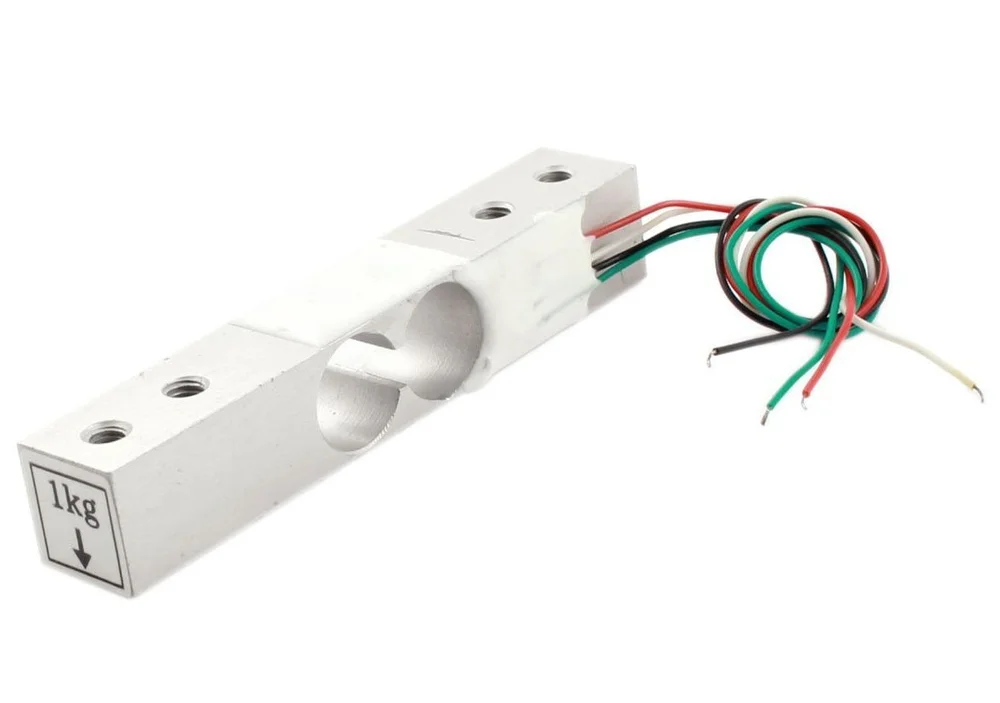
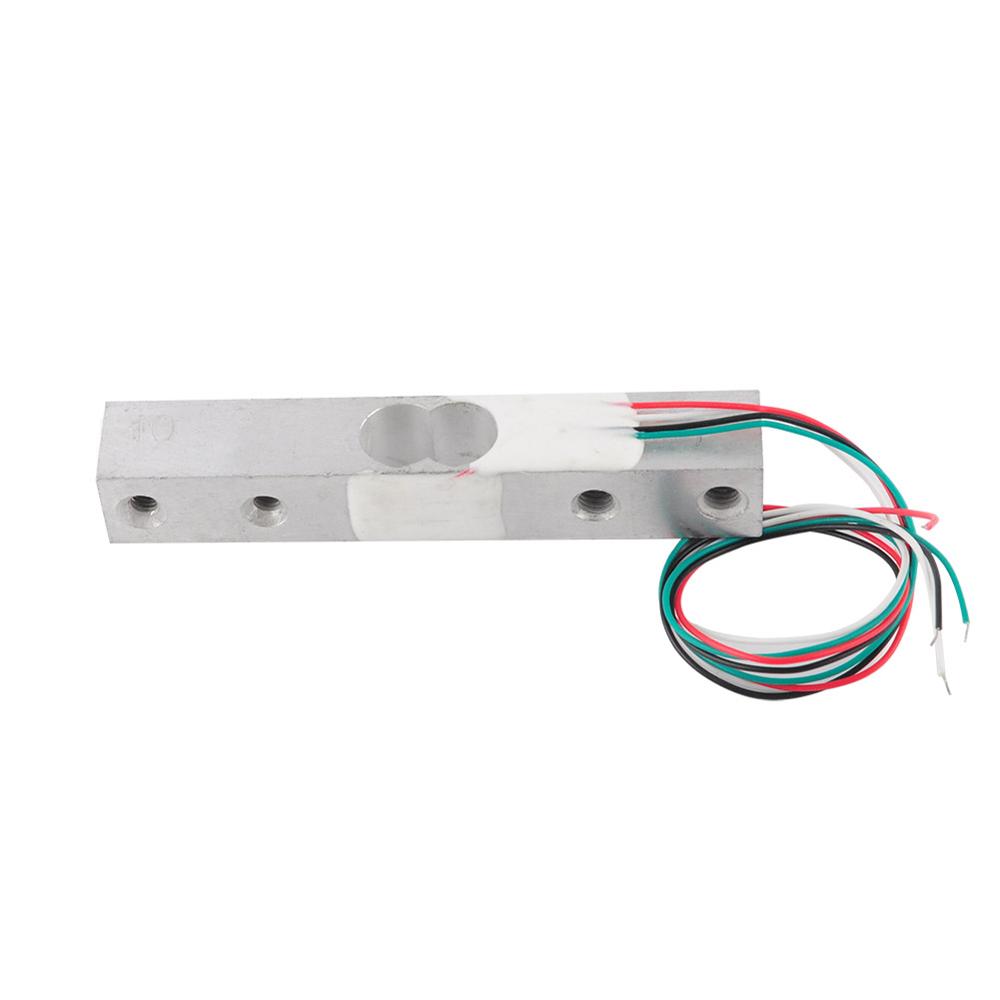
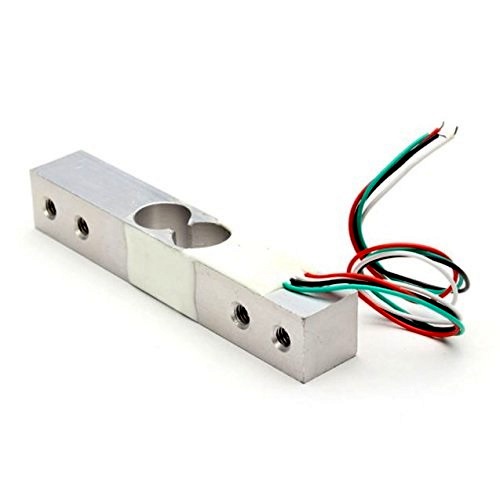
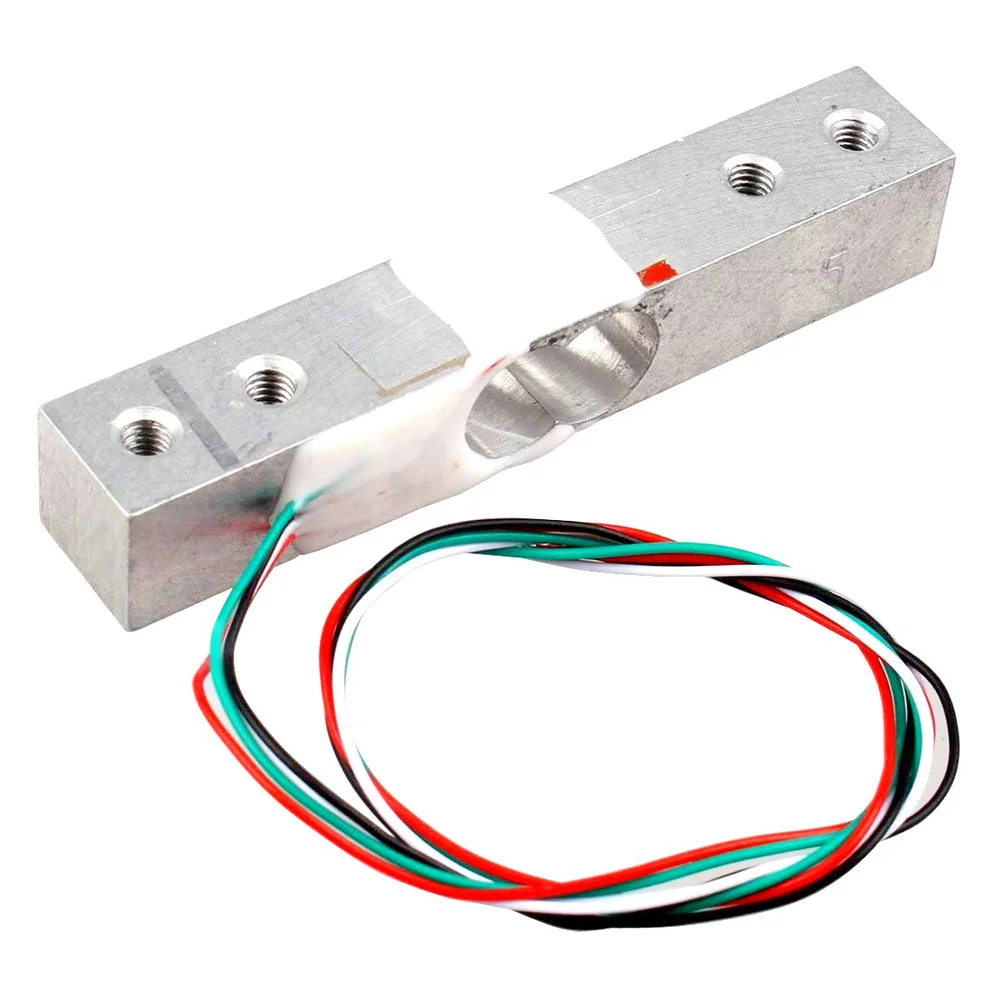
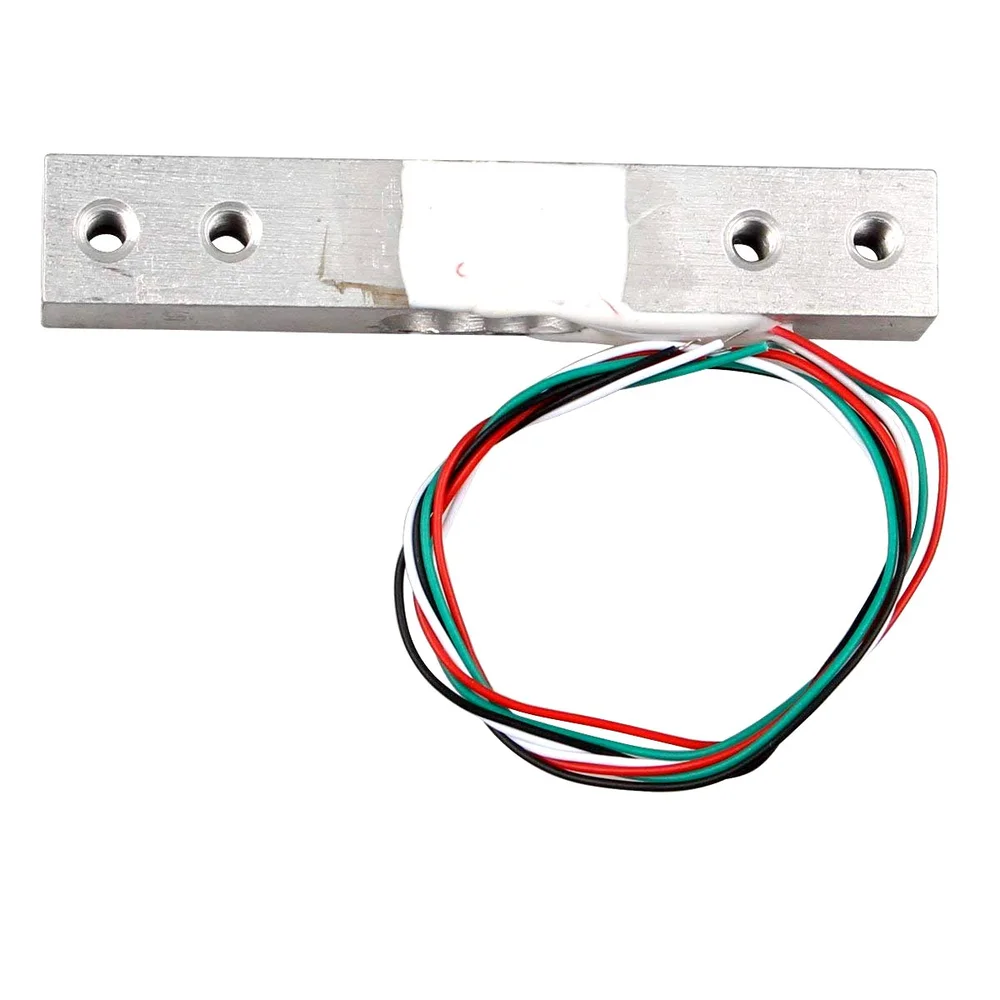
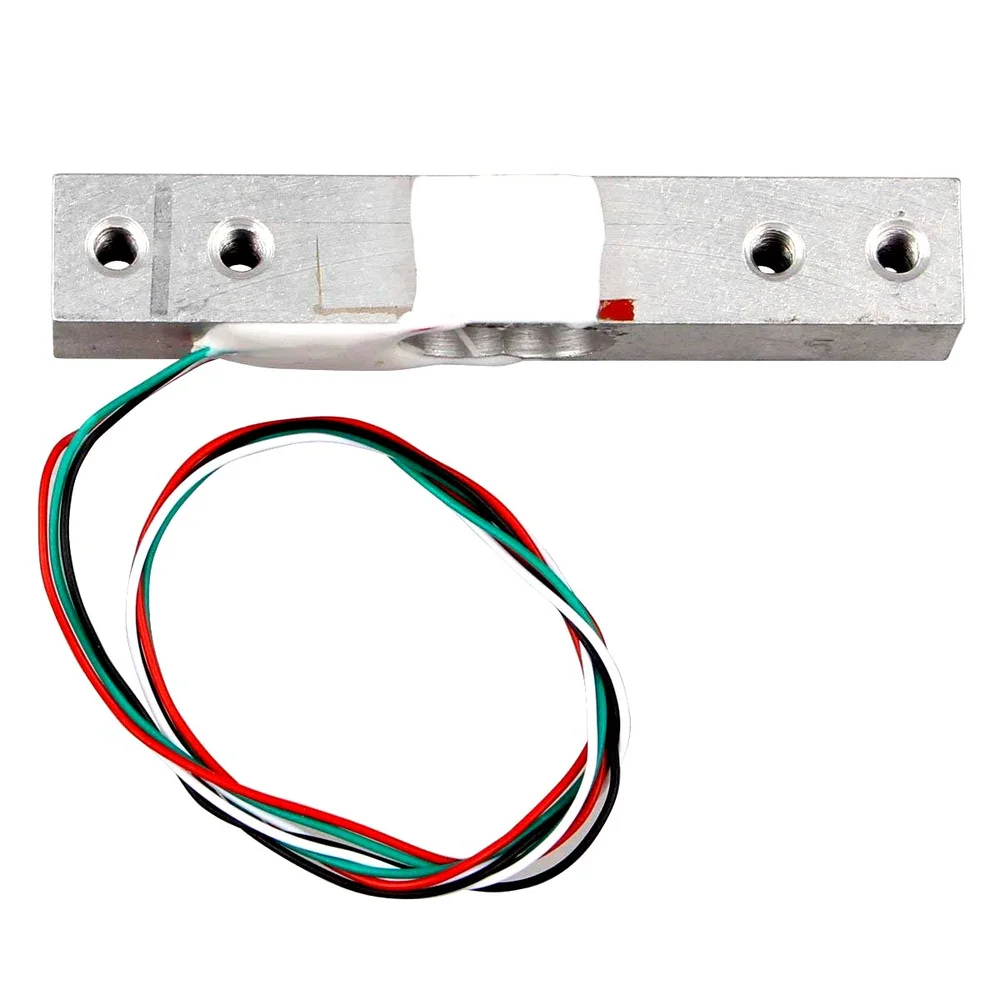
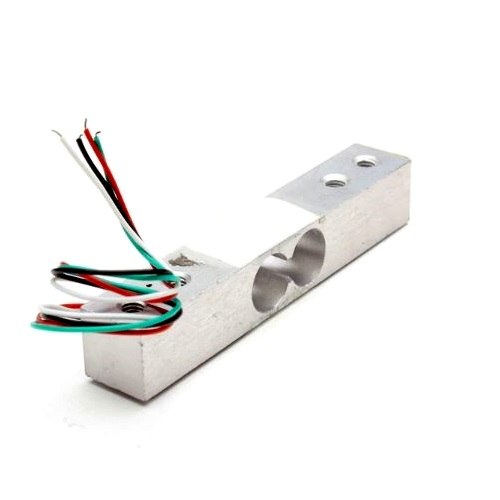
YZC-131 1kg Aluminum Alloy Load Cell Sensor with Wires

₹171.00 (Inclusive of all taxes)
Out of Stock

The YZC-131 is a 1kg capacity aluminum alloy load cell (strain gauge) designed for precision weight measurement applications. It outputs a millivolt signal proportional to applied force and is compatible with instrumentation amplifiers like the HX711 for integration with Arduino, Raspberry Pi, and other microcontroller platforms.

Features

  • 1kg (0-1kg) weighing capacity for precise force measurement.
  • Rated output of 1.0 ±0.1mV/V for high-sensitivity signal generation.
  • Constructed from durable aluminum alloy with a compact 75mm x 12.6mm x 12.6mm profile.
  • Includes pre-attached wires for easy connection to signal conditioning circuits.
  • Low non-linearity (±0.03% F.S.) and hysteresis for accurate, repeatable readings.

Out of stock

Description

The YZC-131 load cell is a resistive strain gauge sensor that converts applied force into a measurable electrical signal. When force is applied to the aluminum alloy bar, the internal strain gauges deform, causing a change in electrical resistance proportional to the load. This millivolt-per-volt output requires a stable excitation voltage (typically 5V) and an instrumentation amplifier, such as the HX711, for precise measurement.

Designed for reliability, the sensor features a robust aluminum construction, high insulation resistance (2000 MΩ), and a wide operating temperature range from -20°C to 65°C. It is engineered for applications requiring accurate weight sensing, force monitoring, or presence detection, where stable, low-drift performance is critical. Proper mounting, with one end fixed and the other floating, is essential to ensure accurate force transfer and to protect the sensitive internal components.

Key Features

  • Precision Strain Gauge Design: Delivers a linear, low-noise millivolt output directly proportional to applied load.
  • High-Strength Aluminum Alloy Body: Provides excellent durability and fatigue resistance for long-term use.
  • Optimized Performance-to-Cost Ratio: Offers laboratory-grade specifications including low creep (0.05% F.S./5min) and repeatability (0.03% F.S.) for demanding applications.
  • Integrated Wiring: Comes with pre-soldered wires, simplifying installation and connection to amplifier modules.
  • Stable Thermal Performance: Operates consistently across an industrial temperature range from -20°C to +65°C.
  • High Input/Output Impedance: Matches well with modern instrumentation amplifiers for minimal signal loss.

Applications

  • Precision bench-top scales and electronic kitchen scales.
  • Industrial process control for monitoring material weight in hoppers or on conveyors.
  • Embedded force feedback systems in robotics and automation.
  • Portable diagnostic and testing equipment requiring compact load measurement.
  • Academic projects and prototypes for studying strain gauge principles and weight sensing.

Technical Specifications

Model NumberYZC-131
Capacity (Weighing Range)0 ~ 1 kg
Rated Output (Sensitivity)1.0 ± 0.1 mV/V
Non-Linearity± 0.03% F.S.
Hysteresis0.03% F.S.
Repeatability0.03% F.S.
Creep (5 minutes)0.05% F.S.
Zero Balance± 0.1 mV/V
Input Impedance1066 ± 10% Ω
Output Impedance1000 ± 10% Ω
Insulation Resistance≥ 2000 MΩ
Recommended Excitation Voltage5V DC
Operating Temperature-20°C to +65°C
MaterialAluminum Alloy
Dimensions (L x W x H)75 x 12.6 x 12.6 mm
Cable LengthApprox. 18 cm
Weight26 g

Frequently Asked Questions

What is the recommended excitation voltage for this YZC-131 load cell?

The load cell is designed to operate with a stable DC excitation voltage, typically 5V. The standard rated output of 1.0mV/V means that with a 5V supply, the full-scale output signal will be approximately 5mV when 1kg is applied. It is crucial to use a regulated power supply to ensure measurement accuracy.

How do I connect this load cell to an Arduino for reading weight?

This load cell outputs a small differential millivolt signal which must be amplified. You need a dedicated instrumentation amplifier module like the HX711. Connect the load cell's four wires (typically Red: Excitation+, Black: Excitation-, Green: Signal+, White: Signal-) to the corresponding inputs on the HX711 board. The HX711 then communicates with the Arduino via a simple digital interface (DT and SCK pins).

What is the correct way to mount this straight bar load cell?

For accurate measurement, mount the load cell by fixing one end securely using the provided screw hole, while leaving the opposite end free to move (floating state). The force must be applied in the direction indicated on the sensor label, perpendicular to the mounting surface. Avoid applying any direct force or impact to the central white plastic cover, as this houses the sensitive strain gauges and can be easily damaged.

Can I use this sensor to measure forces greater than 1kg?

No, applying a load exceeding the rated 1kg capacity can cause permanent damage or calibration shift, leading to inaccurate readings and potential sensor failure. It is recommended to select a load cell with a capacity at least 20-30% higher than your maximum expected load to ensure longevity and maintain specified accuracy.

Package Includes

  • 1 x YZC-131 1kg Load Cell Sensor with attached wires

Additional Information

Weight 0.026 kg
Dimensions 7.5 × 1.26 × 1.26 cm